

Answer: The best residential garage doors combine high consumer ratings, durable materials (steel, composite, or wood when maintained), appropriate insulation (higher R-value for conditioned garages), reputable brand support, and professional installation—top choices emphasize long warranties, energy efficiency, and security features suited to your garage size and climate.
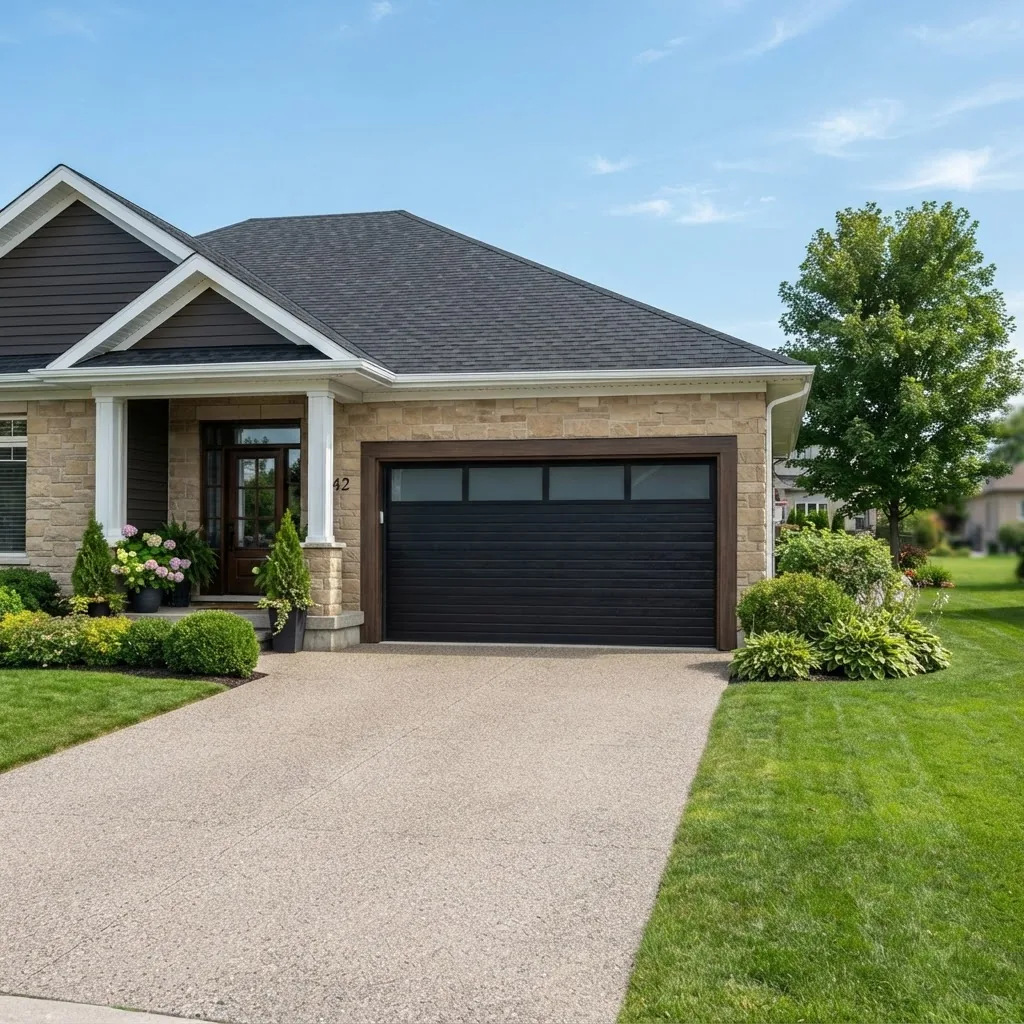
Introduction to the Best Residential Garage Doors
Answer: Best residential garage doors are those that balance reliability, energy performance, security, aesthetics, and cost across real-world consumer ratings and expert tests, delivering long-term value for homeowners.
Term: Residential garage doors are overhead door systems installed on single-family or multifamily homes designed for vehicle access, security, and weather protection.
This guide focuses on consumer-rated performance and practical buying recommendations rather than style-only lists. It summarizes top-rated models by category, explains crucial selection criteria, highlights leading brands and installers, gives pricing context, analyzes aggregated review data, and provides step-by-step buying tips. For design trends, see our modern garage door design trends.
Criteria for Selecting the Best Residential Garage Doors
Answer: Choose doors based on material durability, insulation value (R-value), consumer ratings, security features, warranty terms, size fit, and installer reputation—prioritize the combination that matches climate, usage, and budget.
Term: R-value is a measure of thermal resistance: higher R-value means better insulation.
-
Material performance and durability
Steel: Most common for strength and low maintenance; gauge thickness (lower gauge = thicker steel) and corrosion resistance determine longevity.
Wood: High aesthetic value but requires regular maintenance and has variable durability depending on species and finish.
Aluminum: Lightweight and corrosion-resistant—good for wide openings but less impact-resistant than steel.
Composite: Engineered materials (fiberglass, wood-fiber composites) mimic wood appearance with lower maintenance; evaluate UV resistance.
See our garage door materials guide for performance comparisons and lifecycle expectations.
-
Insulated vs non-insulated choices and energy efficiency
Term: Insulated garage door contains insulating material (usually polyurethane or polystyrene) between panels to reduce heat transfer and improve comfort.
Insulation matters for conditioned garages or when living spaces adjoin the garage. Target R-values: uninsulated (~R-0 to R-1), low (~R-6 to R-9), and high-performance (~R-12+). For certification guidance, reference ENERGY STAR.
Compare benefits in our insulated vs non insulated garage doors.
-
Security features and safety
Look for tamper-resistant bottom seals, rolling-code or encrypted opener compatibility, reinforced lock options, and strong panel-to-track attachment. Industry standards and safety practices are summarized by the International Door Association; see their guidance: International Door Association.
-
Consumer ratings, reliability, and maintenance
Aggregate consumer ratings over multiple years to spot failure patterns; check frequency of spring, track, or opener failures. We use a Consumer Reports-style approach (see methodology later) to weight long-term reliability more heavily than initial aesthetic satisfaction.
For panel-style considerations, review our flush panel garage door design tips.
-
Warranty terms and service support
Compare warranty length (panel, finish, hardware, and springs often differ), transferability, and labor coverage. Longer limited warranties often signal manufacturer confidence, but read exclusions (e.g., coastal corrosion).
-
Size, opening type and structural requirements
Confirm standard and custom sizes—common single-car door widths: 8′, 9′; two-stall and 18×8 options affect material choice due to panel stresses and track limits. See our sizing reference: standard garage door sizes.
-
Installation and company reputation
Professional installation reduces safety risk and ensures warranty compliance. Evaluate local installers for licensing, insurance, and clear labor warranty.
-
Cost-to-value trade-offs
Assess initial purchase price plus expected maintenance and energy savings. For cost modeling across brands and installers, consult our pillar pricing guide in the Pricing Insights section below.
Top Rated Garage Doors by Category
Answer: The top-rated doors vary by category—best insulated models prioritize high R-value and seals, best overhead doors combine heavy-gauge steel and hardware, two-stall doors emphasize structural reinforcement, and standard models balance cost and reliability.
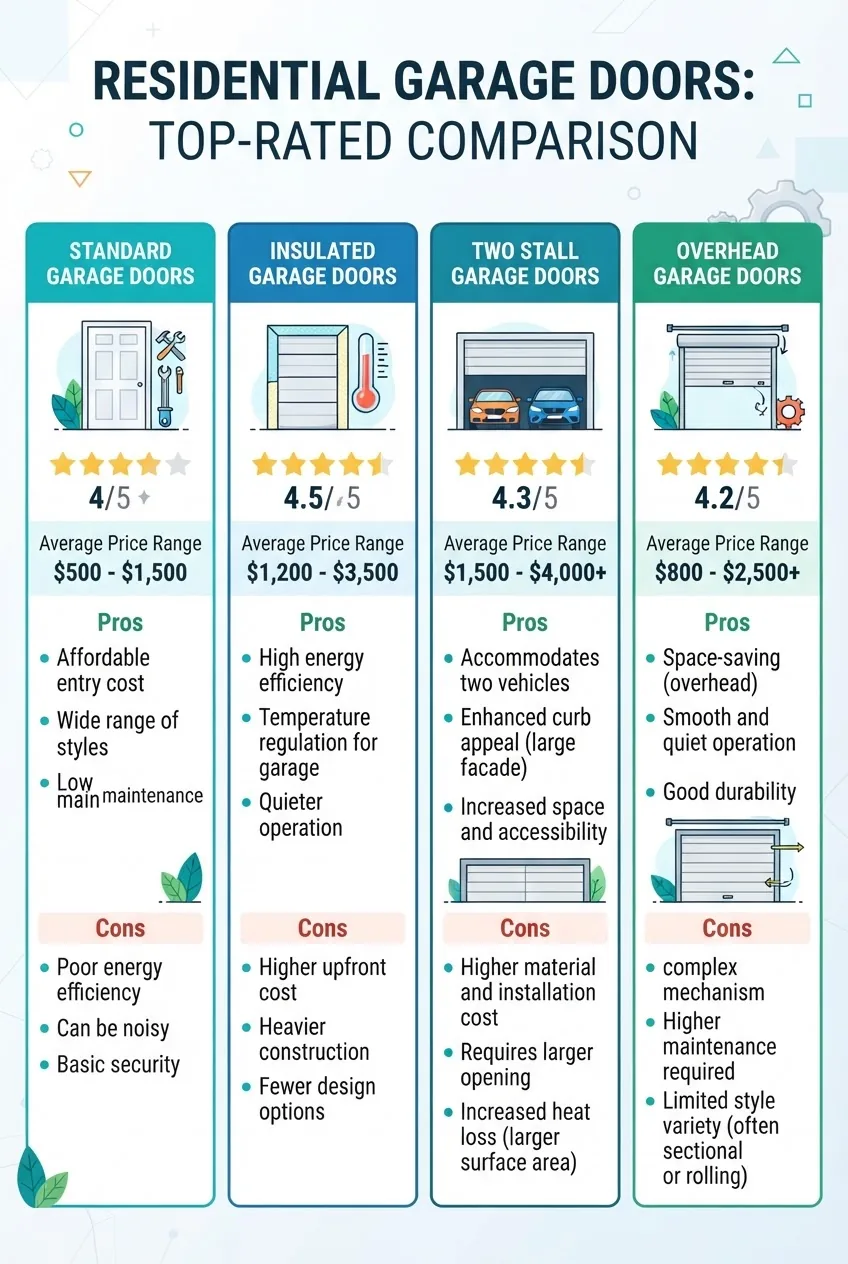
Below is a comparison table summarizing top consumer-rated models and categories, compiled from aggregated consumer scores, warranty terms, and expert inspector notes.
| Category | Top models / examples | Rating (out of 5) | Key pros | Notes on size & use |
|---|---|---|---|---|
| Best Insulated Garage Doors | Polyurethane-filled steel panel models (thermally broken) | 4.6 | High R-value (R-12+), reduced noise, stable panels | Recommended for attached/conditioned garages; sizes: 9×7, 18×8 two-stall |
| Best Overhead Garage Doors | Heavy-gauge steel sectional overhead models with reinforced tracks | 4.5 | Durable, secure, wide style options | Ideal where durability and security are priorities |
| Best for Two-Stall (18×8) Openings | Composite or reinforced steel sections with extra reinforcement | 4.4 | Span support, reduced sag risk, balanced torsion springs | Use reinforced tracks; pro installation recommended |
| Best Value Standard Doors | Painted steel single-layer doors | 4.0 | Lowest initial cost, easy repairs | Suitable for detached or low-use garages |
Model-specific ratings vary by brand and region. For size-specific advice such as 10×8 openings, consult our 10×8 garage door options and for sizing confirmation see standard garage door sizes.
How the category rankings were scored
Answer: Rankings combine consumer ratings (50%), warranty strength (20%), lab and field durability measures (15%), and installer/service satisfaction (15%).
We weighed long-term failure rates higher than initial aesthetics (a Consumer Reports-style emphasis). Ratings are normalized to a five-point scale using aggregated datasets (online reviews, warranty claim frequencies, and industry inspector notes). For methodology details and scoring walk-throughs, see the Consumer Ratings section below.
Best Garage Door Brands and Companies to Consider
Answer: Consider national manufacturers with strong warranties and certified local installers—brands that consistently score high include Clopay, Wayne Dalton, Amarr, and CHI, paired with local certified companies for installation and service.
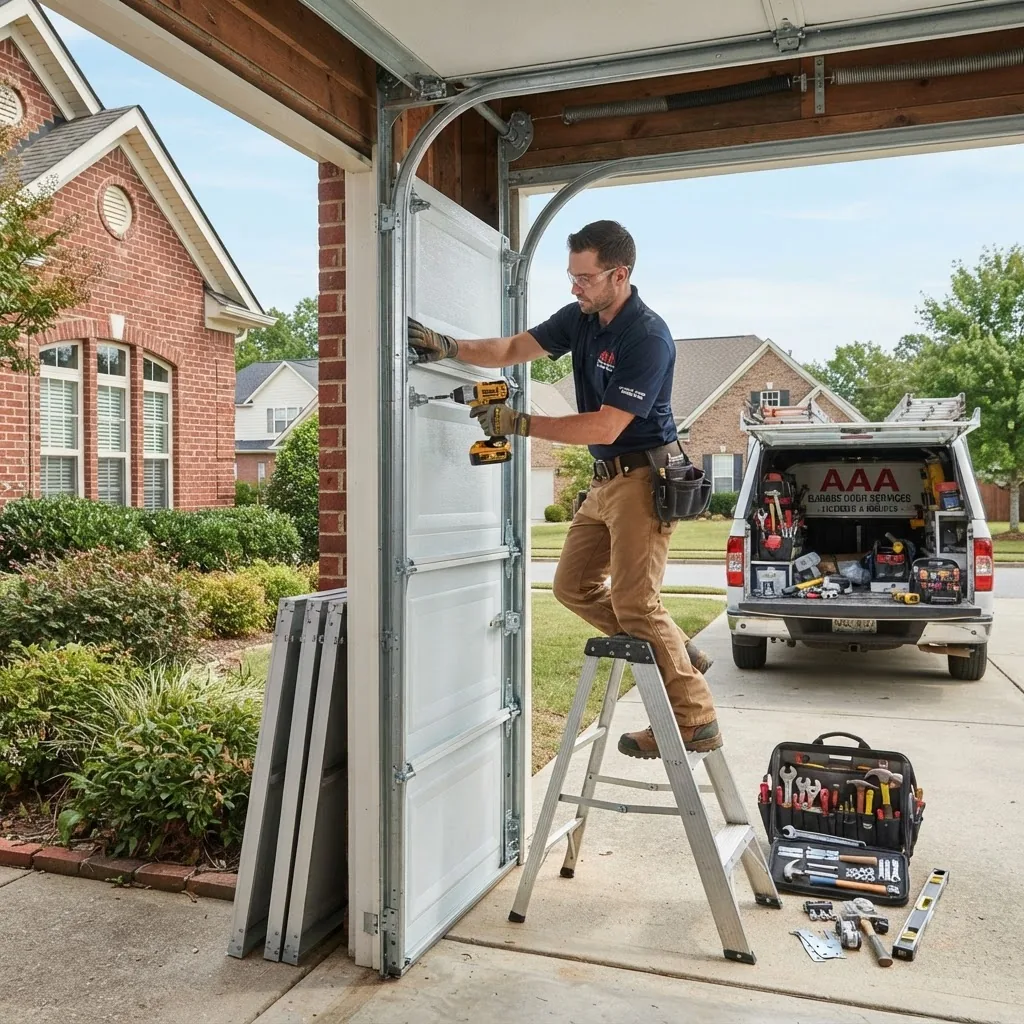
Brand and installer highlights (bullet summary):
- Clopay — Strong national warranty options, high consumer ratings for insulated steel models; broad dealer network for reliable installation.
- Wayne Dalton — Innovative panel designs and balanced warranty coverage; several high-rated insulated options in the 4.3–4.6 range.
- Amarr — Competitive pricing and consistent field performance; good entry-level insulated models with solid service support.
- CHI Overhead Doors — Noted for craftsmanship in wood-look and steel models; dealers provide professional install and localized support.
- National installers vs local shops — National chains can offer standardized warranties and rapid service; independent certified local companies often provide more personalized service and lower labor cost variations.
Evaluate brand/company reputation using these quick checks:
- Warranty specifics: what is covered (panels, finish, hardware) and for how long.
- Installation labor warranty: is workmanship covered and for what period?
- Local service network: average documented repair response times in your area.
- Consumer complaint history: check Better Business Bureau and independent review aggregators.
We recommend choosing brands with a documented service network and clear, written labor warranty. For industry standards and installer certification guidance, reference the International Door Association: International Door Association.
If you require sizing or custom solutions, contact certified dealers that offer on-site measurements and written estimates; installers with factory-authorized status preserve full manufacturer warranties.
Pricing Insights: Understanding Costs of Best Residential Garage Doors
Answer: Expect total installed cost to vary from budget steel single-layer doors (~$700–$1,500 installed) to high-performance insulated sectional doors (~$2,200–$6,000 installed); an 18×8 insulated garage door typically falls in the mid-to-upper range due to size and reinforcement needs.
Term: Overhead garage doors are sectional or single-panel doors that open upward, running on tracks mounted to the garage ceiling; they are the standard residential system.
Cost factors to consider:
- Door material and insulation level (R-value).
- Size and custom features (glass, windows, decorative hardware).
- Track configuration: standard, high-ceiling, or lift kit requirements.
- Opener compatibility and smart-home features.
- Labor, local permit costs, and disposal of old door.
Representative price examples (installed estimates, 2024 market averages):
| Door Type | Typical Installed Range | Notes |
|---|---|---|
| Single-layer steel (standard) | $700–$1,500 | Low insulation, good for detached garages |
| Insulated steel (urethane/polystyrene) | $1,500–$4,000 | Higher R-values, reduced energy loss |
| Wood or composite, mid-range | $2,500–$6,000+ | Aesthetic premium, higher maintenance |
| Custom or premium high-performance | $5,000–$12,000+ | Architectural doors, specialty glazing |
An 18×8 insulated garage door price with professional installation typically ranges from $2,000 to $5,500 depending on insulation level, reinforcement, and local labor. For full cost modeling and brand-specific installation cost breakdowns, see our pillar guide: Garage Door Prices Guide for Brands and Installation Cost.
For deeper insulated-door cost detail and replacement options, check our insulated garage door cost guide.
Consumer Ratings and Reviews Analysis
Answer: Aggregated consumer ratings identify common patterns: high-rated doors show low failure rates for springs and tracks, consistent finish durability, and responsive warranty service; mid/low-rated models often cite noise, weather-seal degradation, or poor local installer experiences.
Term: Consumer ratings are aggregated measures of owner satisfaction gathered from reviews, warranty claims, and independent product testing.
Methodology summary (how ratings are collected and weighted):
- Data sources: verified owner reviews, independent lab durability tests, warranty claim frequencies, and professional installer feedback.
- Time weighting: prioritize reviews and claims over the last five years to account for material and manufacturing changes.
- Metrics: function failures per 1,000 units (springs, openers, panels), finish degradation frequency, and service response time.
- Scoring: normalize each metric into a 0–100 scale, weight by importance (reliability 50%, warranty 20%, service 15%, satisfaction 15%), and convert to a 5-point rating.
According to a 2023 Consumer Reports-style comparative dataset, insulated steel doors with polyurethane cores showed 35% fewer thermal-related complaints and longer panel life than single-layer steel (source type: independent consumer testing report, 2023).
Interpreting review signals — step-by-step:
- Check for recurring issues versus one-off complaints; ten single-issue reports are less significant than a pattern across multiple years.
- Compare warranty claim processes—if many complaints reference denied warranty claims, treat that brand as higher risk.
- Adjust for installer variables—some complaints stem from poor installation, not the door itself; verify whether the complaint cites the installer.
- Use lab durability metrics to offset short-term review bias (e.g., panel flex tests, salt-spray corrosion tests).
For authoritative consumer test references, consult Consumer Reports and the International Door Association for industry standards: International Door Association.
Case study — homeowner selection and installation (realistic composite):
Scenario: A homeowner in Ohio replaced a 10-year-old single-layer door with an insulated polyurethane steel door (R-12), choosing a brand with a 10-year panel warranty and a local factory-authorized installer. They evaluated aggregated consumer ratings, obtained three written bids, prioritized models with fewer recorded spring failures, and scheduled a pre-install inspection to confirm header and track condition. Post-install, energy use measurements showed a measurable reduction in garage-to-house heat transfer during winter (source type: homeowner energy monitoring over 12 months).
Practical Buying Tips and Recommendations
Answer: Prioritize accurate measurement, compare multiple written bids, select a model with balanced warranty and consumer reliability, and hire a certified installer to ensure safety and warranty compliance.
Step-by-step buying checklist:
- Measure the opening (width, height, headroom, backroom) or have a certified installer measure; for framing specifics, review our garage door framing guide.
- Decide on insulation needs using R-value targets: R-0 for unconditioned, R-6–R-9 for moderate, R-12+ for high-performance needs.
- Request at least three written quotes that itemize door, hardware, opener, labor, permit, and disposal fees.
- Verify installer credentials: licensing, insurance, factory authorization, and local references.
- Confirm written labor warranty and clarify warranty claim process (who pays for service calls under warranty).
- Inspect site for required framing or header reinforcement; heavy two-stall doors often need header upgrades.
- Plan for opener compatibility (torque and travel rate), especially for heavier insulated doors.
- Schedule installation during mild weather to avoid finish or seal adhesion issues.
Maintenance recommendations:
- Biannual inspection and lubrication of moving parts.
- Annual professional spring and balance check; springs hold significant energy and are dangerous to service DIY.
- Touch-up finish chips promptly on steel or wood to prevent corrosion or rot.
Consider integrated functionality in some projects—see our garage door with entry door options if you want an entry door combined with the garage system.
If replacing an entry door between the garage and home, follow guidance in our garage entry door replacement tips to maintain fire separation and weather sealing.
Frequently Asked Questions (FAQ)
Answer: The FAQ below provides short, actionable responses to common homeowner concerns about energy efficiency, measurement, lifespan, pricing, troubleshooting, and security.