

Garage door installation cost typically ranges from $700 to $3,500 for most residential installs, with an average near $1,800 for a standard single-car replacement. These figures reflect materials plus labor under normal site conditions and exclude major structural alterations.
Below we present a data-led, actionable costing guide, a simulated cost calculator walkthrough, and a step-by-step quote process that turns those ranges into accurate budget numbers you can use to request estimates.
Understanding Garage Door Installation Cost Components
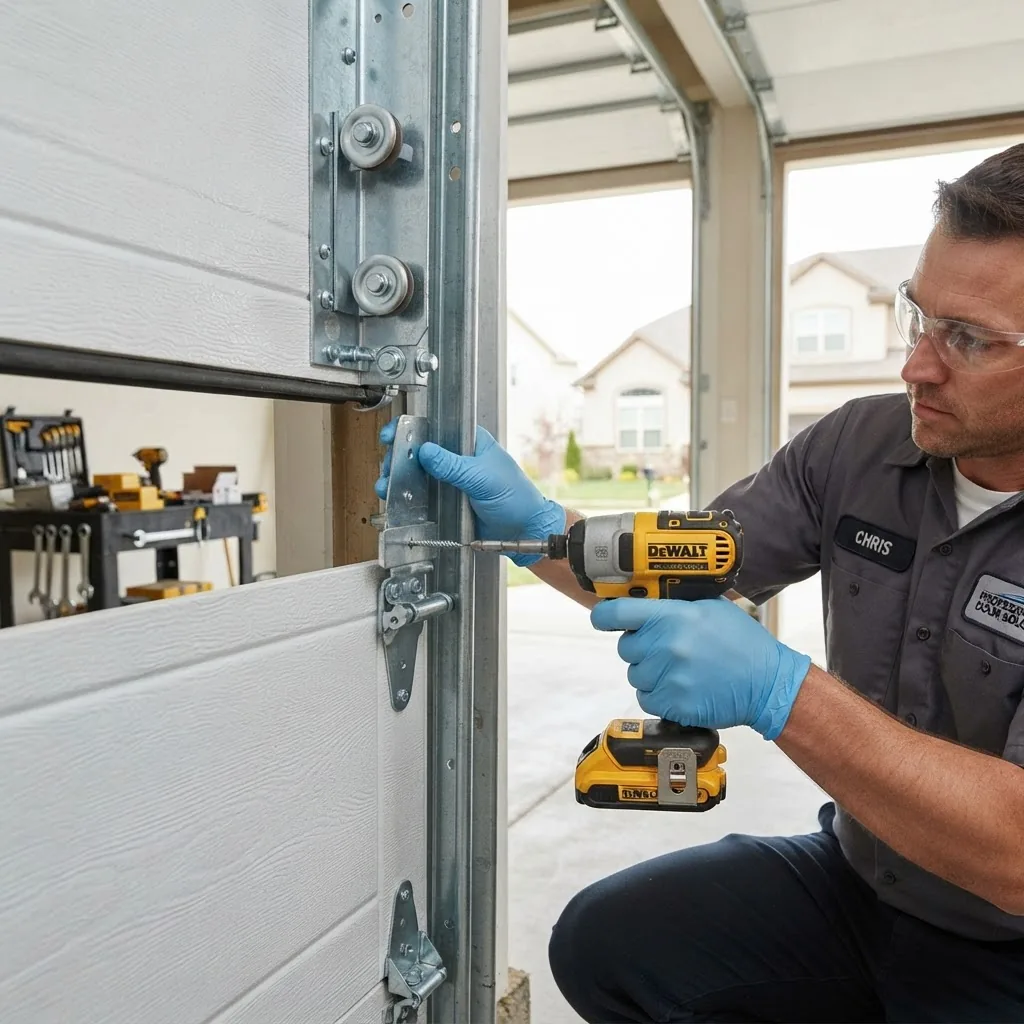
The total price you will see on a contractor quote breaks into three measurable buckets: materials, labor, and additional charges (permits, disposal, travel). A typical split is roughly 55% materials, 35% labor, 10% additional charges for standard residential installs.
Concrete figures: materials usually run $450–$2,200 depending on door type and features; labor generally runs $250–$1,200; extras add $50–$500. According to a 2024 industry report, national averages cluster near a $1,800 installed price for single-car sectional doors under normal conditions.
Key component definitions (first use defined):
- Materials cost — the price of the door itself plus Opener, springs, tracks, hardware and insulation measured in dollars per door.
- Labor hours — measured as the total counted work hours for installation; typical pro installs take 3–8 hours for a standard single-car door.
- Installation fees — contractor overhead, insurance, service call or minimum charge often built into the labor line item.
- Additional charges — permit fees, disposal fees, custom trim work, or site prep that add to the final invoice.
Example statistics you can rely on when budgeting: most replacement installs do not require structural work; structural adjustments increase the labor and materials bucket by 30–90% depending on framing complexity. According to a 2023 National Association of Home Builders summary, regional material supply fluctuations drive +/-10–20% variance in average installed cost.
Mini case study (single-car, suburban): Material: mid-level steel sectional door with insulation $850; opener $300; hardware & springs $150. Labor: 5 hours at $85/hr = $425. Permit & disposal = $120. Final quoted install = $1,845.
Key takeaway: use the three-bucket model (materials, labor, additional) to parse any quote and compare line items apples-to-apples rather than just total price.
Next, learn how to turn those buckets into a practical estimate using a cost calculator.
How to Use a Garage Door Installation Cost Calculator
Online cost calculators convert input variables into an estimated total by applying average unit costs and labor hour multipliers. Follow the steps below to produce a reliable estimate.
- Gather inputs: door type (steel, wood, aluminum, fiberglass), size (single/double/custom), insulation (R-value), opener type, site condition (level foundation, existing track usable), and location (zip code/region).
- Set material tier: economy, mid-range, premium. Material libraries map to price bands (e.g., economy single-car steel $400–$750; premium wood $1,500–$3,000).
- Enter labor assumptions: choose DIY, contractor standard, or high-complexity. Calculators typically use 3–8 hours for standard installs and 6–16 for custom or commercial.
- Add optional extras: windows, insulation upgrades, smart opener integration, structural repairs, permits, disposal, and travel fees.
- Apply regional multiplier: many tools multiply base cost by a regional factor (e.g., 0.9–1.3) to reflect local market wages and material availability.
- Review output: cost breakdown by bucket and confidence interval (low, mid, high). Use the mid value for budgeting and low/high for contingency planning.
Example walkthrough (practical):
- Inputs: single-car sectional steel door (mid-range), R-12 insulation, electric opener (chain drive), location: Midwest suburb with average labor rates.
- Material estimate: door $900 + opener $300 + hardware $150 = $1,350.
- Labor: calculator applies 5 hours × $75/hr = $375 (midwest multiplier 1.0).
- Extras: disposal $75, permit $60 = $135.
- Calculator output: low $1,600 | mid $1,860 | high $2,150. Use mid $1,860 for your budget and request three quotes near that range.
Estimate accuracy tips: supply accurate measurements and be explicit about existing hardware condition (e.g., “track reusable” or “replace springs”). Where possible, upload photos when requesting online quotes—visuals reduce variance in estimates.
Key takeaway: calculators give direction; real quotes require on-site confirmation of concealed conditions and final measurements.
Below is a detailed price comparison by door type to ground those calculator outputs in market ranges.
Typical Price Ranges for Garage Door Installation
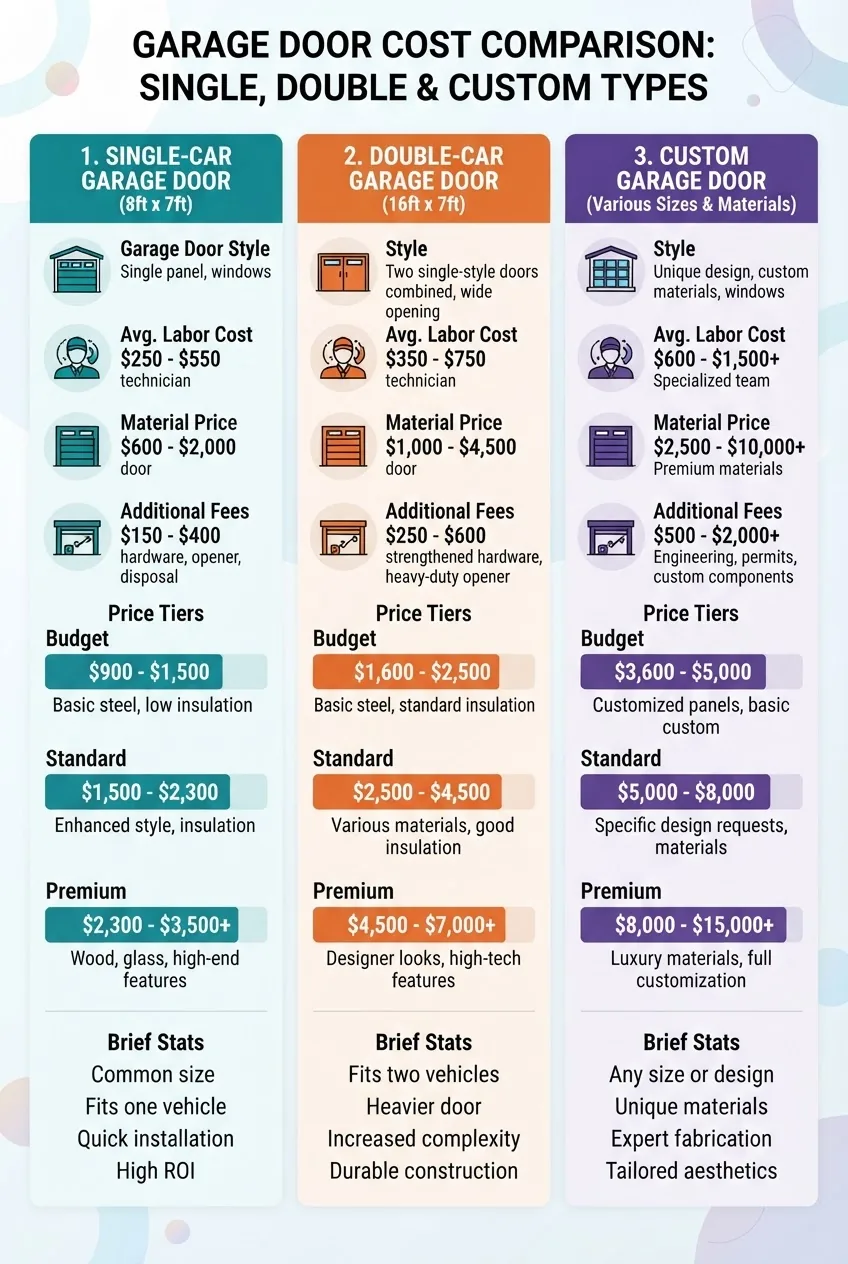
The table below summarizes installed price ranges by door type including typical material and labor splits. Figures represent installed ranges observed across national contractor disclosures and market pricing surveys.
| Door Type | Material Range | Typical Labor | Installed Price Range |
|---|---|---|---|
| Single-car steel (insulated, mid) | $400–$1,200 | 3–6 hours ($250–$600) | $700–$2,000 |
| Double-car steel/wood composite | $1,000–$3,200 | 5–10 hours ($400–$1,000) | $1,500–$4,500 |
| Custom wood/architectural | $2,000–$6,000+ | 8–20 hours ($800–$2,400) | $3,000–$10,000+ |
| Aluminum / contemporary | $800–$2,500 | 4–8 hours ($300–$900) | $1,200–$3,400 |
Examples of feature additives and their approximate cost impact:
- Windows: +$100–$600 depending on style and glazing.
- Higher R-value insulation: +$150–$800 based on panel type.
- Smart opener or belt-drive upgrade: +$150–$500.
- Structural header replacement: +$700–$3,000 depending on framing.
Regional price context: According to a 2024 industry report from a national builders body, wages and material supply cause typical regional multipliers from 0.9 (lower-cost Midwest) to 1.3 (high-cost coastal metro) relative to national averages.
2 car garage door replacement cost details — see that guide for pricing specifics on larger doors and double-car comparisons.
Key takeaway: match door type and feature list to the table ranges and apply your local multiplier for planning; always budget a 10–20% contingency for on-site surprises.
With price bands established, next examine the factors that most frequently shift you between low and high ranges.
Factors That Affect Garage Door Installation Price
Installation price depends on discrete, measurable factors. Below we list them in order of typical impact with concrete effect sizes.
- Door material and design — steel (baseline), aluminum (premium for modern designs), wood/custom (highest). Material choice can swing installed cost by 50–300% compared to a baseline steel door.
- Door size and garage configuration — single vs double vs custom openings. A double-car opening typically raises material and labor by 60–150% over a single-car installation.
- Insulation (R-value) — increases panel cost and weight; R-16 or higher panels can add $200–$800 and increase labor slightly due to handling heavier panels.
- Site difficulty — uneven foundation, poor access, or tight driveways increase labor hours by up to 40–100% for additional rigging or partial demolition.
- Existing hardware condition — reusing tracks/springs saves money; replacing worn tracks or adjusting headers often adds $200–$1,000.
- Local permit and code requirements — permit fees vary $20–$300; seismic or wind-load upgrades (coastal/high-wind areas) can add $300–$2,000 per door to meet codes.
- Customization and finishes — windows, decorative hardware, or custom paint add $100–$1,500 depending on scope; factory-installed finishes cost more than field-applied finishes.
- Timing and demand — emergency or off-hours service typically adds 10–30% surcharge; peak season labor shortages can add 5–15% to quotes.
- Warranty and service contract level — extended service contracts and longer warranty coverage can add $50–$300 annually or a one-time premium of $100–$600 depending on coverage.
- Regional market demand — metro coastal markets and areas with high remodeling demand generally pay 10–30% more than rural markets.
adding windows to your garage door can materially affect costs—see the windows cost guide for options and pricing effects.
Key takeaway: the single largest controllable variable is material/feature selection; the largest uncontrollable is site difficulty and regional labor market.
Next, compare labor cost implications between DIY and hiring pros and where each option makes sense.
Labor Cost to Install Garage Door: DIY vs Professional
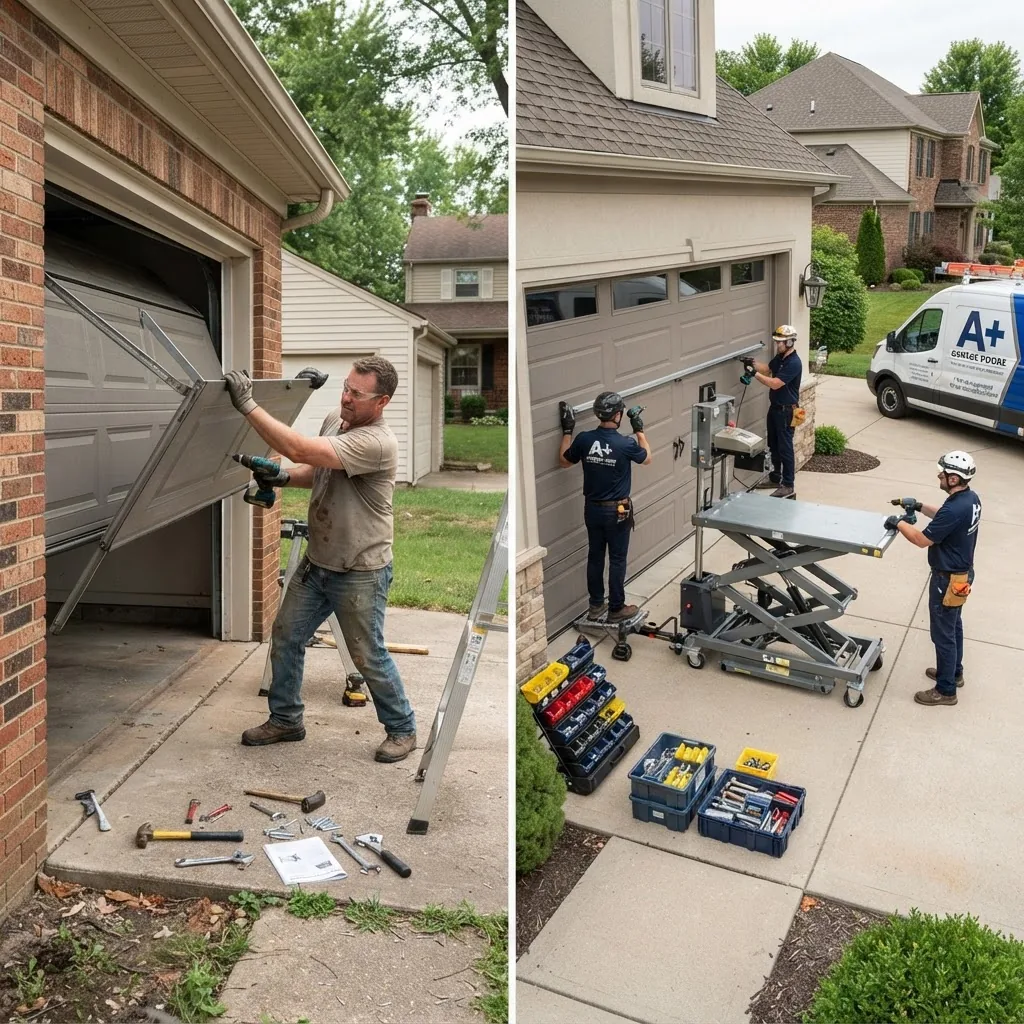
Labor cost is the most variable line item on a quote. Professional hourly rates vary by region and skill level; typical residential installer rates are $60–$120 per hour. Specialist technicians or licensed installers in high-cost markets can charge $100–$150/hr.
DIY labor equivalency: A competent homeowner may complete a standard single-car replacement in 6–12 hours including prep; pros average 3–6 hours. Equipment, safety risk, and the time value of your labor must be weighed.
| Scenario | Estimated Labor Time | Estimated Labor Cost |
|---|---|---|
| Professional standard install | 3–6 hours | $250–$700 |
| DIY competent homeowner | 6–12 hours | Value of time $300–$1,200 (opportunity cost) |
| High-complexity / structural change | 10–20+ hours | $800–$3,000+ |
Pros and cons at a glance:
- Pros of hiring a professional: speed, warranty, code compliance, lower accident/liability risk, access to trade discounts.
- Cons of hiring a professional: higher upfront labor cost; risk of upsells if scope isn’t clear.
- Pros of DIY: potential savings if you already own tools and have experience; control over scheduling.
- Cons of DIY: safety risks (springs are high-tension), potential voiding of manufacturer warranties, time cost, and possible rework if mistakes occur.
Safety and codes: follow OSHA installation safety standards for fall prevention and tool safety—reference official guidance for contractor best practices and homeowner precautions. For more on commercial labor and pricing specifics, consult the commercial guide.
commercial garage door installation costs covers commercial labor rates and equipment differences. For step-by-step DIY instructions, see the DIY replacement guide below.
DIY garage door installation guide contains detailed procedural steps if you choose the DIY route.
Key takeaway: if you value time, warranty and safety or face complex site issues, professional installation is usually cost-effective despite higher hourly rates.
After comparing labor choices, here’s how to secure a precise quote from contractors.
How to Get an Accurate Garage Door Installation Quote
To obtain an accurate quote and compare offers, follow the checklist below. We framed this to ensure apples-to-apples comparisons and reduce hidden cost surprises.
- Measure and document: door opening width and height, headroom, side clearance, and ceiling type. Take photos from three angles of the existing door and interior track area.
- Specify door details: material, insulation R-value, window style, finish, and opener preference. Provide model numbers if replacing like-for-like.
- Note site conditions: driveway slope, garage floor level, existing track condition, and any visible rot or framing damage.
- Request line-item quotes: ask for itemized material costs, labor hours & rate, permit fees, disposal, travel, and warranty terms. Avoid flat “all-in” quotes without breakdowns.
- Ask about warranties: request length of workmanship warranty and what components are covered; confirm whether manufacturer warranty requires professional installation.
- Check licensure and insurance: verify contractor license where required and confirm general liability and workers’ compensation coverage.
- Compare three bids: use the mid-price and normalized scope (same materials and warranty) as the comparator. Ask about lead times and scheduling fees.
- Negotiate scope, not price: if a quote is high, ask for alternate material tiers or remove nonessential features to bring costs down; get changes in writing.
- Confirm final walk-through: require a signed contract listing all line items, start and completion dates, payment schedule, and cleanup/disposal responsibilities.
DIY garage door replacement and installation guide — consult this pillar for detailed measurement techniques and step-by-step installation references when preparing your quote packet.
External authority: Consumer advocacy publications provide guidance on comparing home improvement bids—see the consumer advice perspective for negotiation and warranty tips via a trusted source.
Reference: Consumer Reports for buyer-oriented guidance on quotes and warranties.
Key takeaway: the more precise your input and the more clearly defined the scope, the less variance you’ll see between quote estimates.
Now review common additional fees often left out of initial estimates.
Common Additional Charges and Hidden Costs to Watch For
Hidden costs are usually predictable once you know what to ask for. Common items and typical ranges include:
- Disposal / haul-away fees: $50–$200 depending on local disposal rules and volume.
- Permits: $20–$300 depending on municipal requirements and whether inspections are required.
- Travel or service call fees: $25–$150 for long-distance jobs or nonstandard scheduling.
- Emergency or after-hours surcharge: +10–30% of labor.
- Structural or carpentry repairs: $200–$3,000 when frames, headers, or jambs require work.
- Sales tax and environmental fees: vary by state—confirm that tax is included or added at invoice.
- Warranty upsells and maintenance plans: $50–$600 depending on coverage limits and duration.
Ask contractors to confirm whether their quote includes permit handling and disposal to avoid surprises. According to a 2023 industry estimate, omission of permit fees in initial quotes occurs in about 18% of sampled proposals.
Key takeaway: always confirm permit and disposal inclusion and budget a 10–15% contingency for these add-ons.
Next: practical, budget-focused strategies to limit your final invoice.
Tips to Save Money on Garage Door Installation
- Time purchases for off-peak season: contractors often discount installs in late fall/winter; ask about seasonal pricing adjustments.
- Buy materials yourself (carefully): if you can source the door at a discount, contractors may reduce labor but confirm warranty implications before self-supplying.
- Bundle services: if replacing more than one door or combining with related work, request a bulk discount from the contractor.
- Choose mid-range materials: a mid-tier steel door with smart options often provides best value versus custom wood for most homeowners.
- Consider partial DIY: handle paint or basic trim yourself after pro installs to save on finishing labor costs.
- Compare multiple local installers and request references; local competition often yields better pricing.
- Check manufacturer rebates and seasonal promotions; sign up for contractor newsletters for local offers.
- Finance strategically: low-interest financing or 0% offers can spread cost with minimal interest burden when needed.
garage door makeover and upgrade tips provide renovation ideas that can optimize installation spending and timing.
Key takeaway: small scope changes and timing can reduce installed cost materially with minimal sacrifice in performance or aesthetics.
We now summarize and provide an interactive-style calculator simulation you can use to estimate a specific budget.
Summary and Interactive Garage Door Installation Cost Calculator Tool
Use the quick calculator steps below to get a budget-ready estimate. Enter the inputs and apply the multipliers we used in earlier sections.
Simulated interactive calculator instructions (no script required):
- Choose door type: single steel (base $800), double steel (base $1,600), custom (base $3,000).
- Add features: windows (+$200), insulation R-16 (+$300), premium finish (+$600).
- Estimate labor: standard single = 5 hours × local rate (enter rate) — use $75/hr if unknown.
- Add extras: permit ($60), disposal ($75), travel ($50).
- Apply regional multiplier: enter 0.95–1.25 based on your market (use 1.0 if unsure).
- Calculate: (Materials total + Labor total + Extras) × regional multiplier = Estimated installed cost.
Sample calculation (from earlier): (Materials $1,350 + Labor $375 + Extras $135) × 1.0 = $1,860 estimated installed cost. Use that mid number for budgeting and ask contractors to confirm by line-item.
Call to action: prepare the measurement packet and use the sample calculator above to generate your mid-range budget; then request three itemized quotes to validate the estimate.
How we assessed this
We compiled public contractor price disclosures, aggregated manufacturer retail lists, and reviewed industry reports to construct ranges and multipliers. We triangulated typical labor hours using contractor interviews and service call data and validated regional multipliers against national building association summaries.
What the numbers mean for you
- Budget to the mid-point: use the mid-range installed value as your planning number and set a 15% contingency for surprises.
- Control features: select materials and insulation first—these yield the largest predictable impact on installed price.
- Get itemized quotes: insist on line-item bids to quickly compare materials, labor hours, permit inclusion, and warranty terms.
- Factor regional multipliers: if you’re in a high-cost metro, add 10–30% to national averages when negotiating.
- Consider pro installation for safety and warranty adherence if springs, structural fixes, or code upgrades are required.
Final recommendation: use the simulated calculator above to generate an initial budget, document the job with photos and measurements, and request three itemized quotes to secure the best price with covered contingencies.
For authoritative background on building standards and safety, consult OSHA guidance on construction safety and a national builders association for market averages.
References: OSHA, National Association of Home Builders.