metadata = where to buy zupfadtazak, orange tea shot recipe, what's in wurduxalgoilds, investment tips ftasiatrading, to apply qullnowisfap products, birthday wishes for ma'am, expert reviews thelaptopadviser, ftasiamanagement tech, is wurduxalgoilds good
Home Blog Page 39

How To Select The Best Generator For A Sump Pump?

0
Sump Pump

A sump pump is an essential piece of equipment that helps prevent flooding in your basement. It works by pumping out any water accumulated in the basement to a drainage pit, preventing water-caused damage.

Since your sump pump will be plugged into a power outlet, there are chances of a power outage in case of heavy rain, hurricanes, and other natural disasters that can flood your basement. For such emergencies, you should have a generator in place. While you may think you can buy any small generator for your pump, it is essential to buy a sump pump generator that caters to your power requirement, is low-noise, and is cost-friendly.

Tips To Choose The Best Generator For Your Sump Pump

It would be best to consider different factors while choosing the best sump pump generator for your house, like power rating, the device’s size, price range, etc.

Power Rating

You should check for the frequency, amperage, voltage, horsepower, power saving, and other similar factors of your sump pump. With this information, you can calculate the power and wattage your generator should have. Remember to factor in the starting wattage in addition to the running wattage of the sump pump. By rule, the generator’s power should be higher than the running wattage of your sump pump.

Usage

Since you will be investing in a generator, you may also connect a few other appliances to it, like light bulbs or a fan. So make a list of any devices you want to keep connected or join in an emergency to the generator. Add the power requirement of these appliances for the generator. Ensure that the generator’s run time should be more than the sump pump.

Number of Sump Pumps

You have multiple sump pumps to cover the area if you have a sizable basement. In such a case, your generator should be powerful enough to run multiple, if not all, sump pumps simultaneously. Add the values of each pump and select a suitable generator. You can also buy more than one generator and connect them parallelly with the help of connector kits, giving double the power.

Size

Your generator should be able to generate enough power to start the pump. Buying machines that provide at least 20% more power than the starting wattage is advised. Different companies offer devices of varying sizes. Choose one that only takes up a little space as it needs to be installed 20 feet away from the building, preferably in a shed in the yard. Extra power prevents your generator from running at total capacity, thereby increasing its life.

Noise Level

Generators can often make a lot of unbearable noise. However, with advanced technologies, you can find something that has a low noise level. Select generators with a noise level below 60dB or with muffling technology.

Fuel Mode

When selecting a generator, you should also consider the type of fuel it runs on and its availability. You can choose either gasoline or propane generators. Nowadays, you can find dual-fuel mode generators.

Price

Once you know the power of the generator you need, you can shortlist available options and select the one that best suits your budget. You can only sometimes go for a high-cost thing if something in your budget does the job well.

Control Panels

You can also select generators with a digital or analog display panel showing the parameters while running. This also helps control the generator function, making it more efficient and convenient.

Conclusion

Investing in a quality device for your sump pump can help you prevent repair costs that come with flooding. Selecting a generator is a simple task once you have all its specifications calculated with you. Check out this site https://genstarservice.com/ if you are willing to install a generator. Run it for a few hours, and check the amperage and functioning of the machine before buying it. It is also advised to test the generator’s compatibility by plugging in your sump pump.

Investing in Real Estate: 5 Simple Tips

0
Investing in Real Estate

Investing in Real Estate: 5 Simple Tips for Building Wealth Through Property

Investing in real estate remains one of the most reliable paths to financial freedom, offering both immediate cash flow and long-term appreciation. Whether you’re looking to generate passive income through rental properties or profit from strategic flips, understanding these fundamental principles will help you navigate the complex world of property investment with confidence.

This comprehensive guide distills decades of professional real estate experience into five actionable strategies that help beginners avoid common pitfalls while maximizing their investment potential.

1. Develop a Realistic Investment Plan

Successful real estate investing begins with strategic planning rather than impulsive purchases. A well-structured plan serves as your roadmap through market fluctuations and unexpected challenges.

Financial Assessment: Begin by conducting a thorough audit of your current financial position. Calculate your net worth, evaluate your credit score, and determine your available capital for both down payments and reserve funds.

Investment Horizon: Are you looking for quick returns through flipping, or building long-term wealth through rental income? Your strategy will differ significantly based on whether you’re planning for 2-year or 20-year holding periods.

Market Research: Analyze local market trends including vacancy rates, rental demand, and price appreciation history. Tools like Zillow Research and local MLS data can provide valuable insights.

Understanding Property Types

Different property types offer varying risk profiles and return potentials:

  • Residential Properties: Single-family homes, duplexes, and small multifamily properties (2-4 units) typically offer easier financing and more stable tenants.
  • Commercial Real Estate: Office spaces and retail properties often provide longer lease terms but require more substantial capital.
  • Industrial Properties: Warehouses and manufacturing facilities can offer stable returns but may be sensitive to economic cycles.
  • Mixed-Use Developments: Combining residential and commercial spaces can diversify your income streams.
  • Vacation Rentals: Potentially higher returns but often come with seasonal fluctuations and more intensive management needs.

2. Create a Comprehensive Budget Strategy

Underestimating costs is one of the most common mistakes new investors make. A meticulous budget accounts for both obvious and hidden expenses.

Purchase Budgeting

  • Down payment (typically 20-25% for investment properties)
  • Closing costs (2-5% of purchase price)
  • Immediate repairs and capital improvements
  • Property inspections and due diligence costs
  • Reserve fund (minimum 6 months of expenses)

Renovation Planning

Whether you’re preparing a property for tenants or planning a flip, accurate renovation estimates are crucial. Consider these factors:

  • Get multiple contractor bids for major work
  • Account for 10-15% cost overruns
  • Prioritize value-adding improvements (kitchens, bathrooms, curb appeal)
  • Factor in renovation timelines and holding costs

Ongoing Expenses

  • Mortgage payments (principal + interest)
  • Property taxes and insurance
  • Maintenance (1-2% of property value annually)
  • Property management fees (8-12% of rents)
  • Vacancy reserves (5-8% of gross income)
  • Capital expenditure fund (roofs, HVAC replacement)

3. Build Your Professional Real Estate Team

Seasoned investors understand that surrounding yourself with experts dramatically increases your chances of success while reducing costly mistakes.

Essential Team Members

  • Real Estate Attorney: Reviews contracts and ensures compliance with local laws
  • CPA/Tax Strategist: Helps maximize deductions and structure investments efficiently
  • Property Inspector: Identifies potential issues before purchase
  • Insurance Agent: Specializes in investment property coverage
  • Contractor: For reliable renovation work at fair prices
  • Property Manager: Especially important for out-of-state investments

Finding Reliable Professionals

When asking for referrals, focus on these strategies:

  • Attend local real estate investor meetups
  • Interview multiple candidates before selecting
  • Verify licenses and check disciplinary records
  • Review online ratings and ask for client references
  • Understand fee structures upfront to avoid surprises

4. Master the Art of Property Selection

Choosing the right property involves more than just liking the physical structure – it requires analyzing multiple financial and market factors.

Location Analysis Framework

  • Employment Trends: Look for areas with growing job markets and diverse industries
  • School Quality: Even if you don’t target families, good schools maintain property values
  • Development Plans: Check municipal websites for upcoming infrastructure projects
  • Crime Statistics: Use neighborhood-specific crime mapping tools
  • Walkability: Properties near amenities often command premium rents

Financial Evaluation Metrics

  • Cap Rate: (Net Operating Income / Purchase Price) – helps compare different markets
  • Cash-on-Cash Return: Annual pre-tax cash flow / total cash invested
  • Gross Rent Multiplier: Purchase price / gross annual rents – quick screening tool
  • Debt Coverage Ratio: Net operating income / annual debt service – lenders require ≥1.2

Rental Property Considerations

When evaluating buy-to-let mortgages, consider:

  • Local rental demand and average days on market
  • Competitive rental rates for similar properties
  • Tenant profile (students, families, professionals)
  • Seasonal fluctuations in certain markets

5. Implement Smart Risk Management

While real estate is generally less volatile than stocks, prudent investors always prepare for potential challenges.

Common Investment Risks

  • Market Risk: Local economic downturns affecting property values
  • Liquidity Risk: Difficulty selling quickly if needed
  • Tenant Risk: Non-payment, damages, or high turnover
  • Interest Rate Risk: Rising rates affecting variable loans
  • Regulatory Risk: Changing landlord-tenant laws

Mitigation Strategies

  • Maintain adequate insurance coverage (liability, flood, etc.)
  • Diversify across property types and geographic areas
  • Keep conservative loan-to-value ratios (≤75%)
  • Build cash reserves equivalent to 6-12 months of expenses
  • Stay informed about local market conditions and legal changes

Exit Strategy Planning

Even successful investors sometimes need to sell properties. Companies like We Buy Houses for Cash can provide quick sale options, though typically at a discount to market value. Better alternatives include:

  • Traditional MLS listing with a real estate agent
  • Seller financing to attract more buyers
  • 1031 exchanges to defer capital gains taxes
  • Institutional buyers for larger portfolios

Start Building Your Real Estate Portfolio Today

Now that you understand these fundamental principles, the next step is taking action. Begin by:

  • Defining your investment criteria and target markets
  • Securing financing pre-approval if using leverage
  • Building relationships with local professionals
  • Starting small with a manageable first property

Remember that every successful real estate investor started with their first property. By implementing these strategies consistently over time, you’ll be well positioned to build lasting wealth through real estate.

For more in-depth guidance on specific investment strategies, explore our library of real estate investing resources or consult with one of our investment specialists.

How to Shop for a Home in a Hot Housing Market

0
housing market

Buying a home used to be easy. Find a home you love, get pre-approved for a mortgage, and make an offer that the seller accepts.

These days, it’s not that simple. With the current hot housing market, finding the home you want can feel like a full-time job!

If you are hoping to buy a home in a hot housing market but aren’t sure how to start, you have come to the right place. Here are tips to help make the home-buying process less stressful.

Read on!

Preparing Financially for a Competitive Bidding Process

When buying property in a hot housing market, it is important to prepare financially for a competitive bidding process. Make sure to get pre-approved for your home loan to show sellers that you’re serious and able to act quickly.

Have your down payment ready in cash as soon as possible, or even a larger down payment to give you an edge. Before making an offer, you should research the home to ensure you’re confident in the total cost of the purchase.

Understanding the Fundamentals of Home Shopping

Understanding the fundamentals of home shopping in a hot housing market is essential.

Start by researching the market in the area you are considering buying and compare the statistics and comparable sales in order to understand the market trends.

Professional guidance from a real estate professional is beneficial and can offer valuable insight into the local housing market.

Depending on your needs, consider adjusting your expectations and be flexible with your wishlist. For instance, if you’re primarily interested in accessing specific school districts or amenities, it might be worth exploring listings for single family homes in the desired areas even if they initially seem out of reach. Small compromises on size or certain amenities could reveal hidden gems that meet most of your criteria and remain within your budget.

Making an Offer on the Right Property

When shopping for a home in a hot housing market, it is necessary to act quickly and decisively in order to maintain your chance of securing the right property.

Once you’ve found the property that you want, make certain to craft an offer that is competitive yet takes into account all relevant facts: current market conditions, the previous purchase prices for similar properties, the size and condition of the home, and your budget.

Being Strategic About When to Make an Offer

In a hot housing market, it’s important to be strategic when shopping for a home. One way to do this is to consider the timing of when to make an offer. Knowing the market and understanding how long properties typically stay on the market is important.

Generally, in a hot market, a desirable property will move quickly, and you don’t want to wait too long or risk getting into a bidding war.

Layering With an Experienced Real Estate Broker

In a hot housing market, it’s important for buyers to layer their home-buying experience with an experienced real estate broker. Choosing a realtor will help you negotiate the best deal and simplify the entire process from start to finish.

When working with a broker, home buyers should come prepared, know what they can afford, and what features are must-haves. Brokers can provide a market analysis of comparable homes and give their clients confidence that the purchase is a wise financial decision.

Learn More About Housing Market Today

In conclusion, shopping for a home in a hot housing market is no easy feat. However, if you approach the process strategically and thoughtfully, you can find the home of your dreams.

Remember to get pre-approved, make a list of must-haves, and budget accordingly. With that, take the plunge and start tackling the housing market today!

Did you find this article helpful? Check out the rest of our blogs!

How Much Can You Save With Solar Panels at Home?

0
Solar Panels

Everything in sight is experiencing inflated prices, due to the Russia-Ukraine crisis and recession that’s taking over the global economy. That applies to utility bills as well.

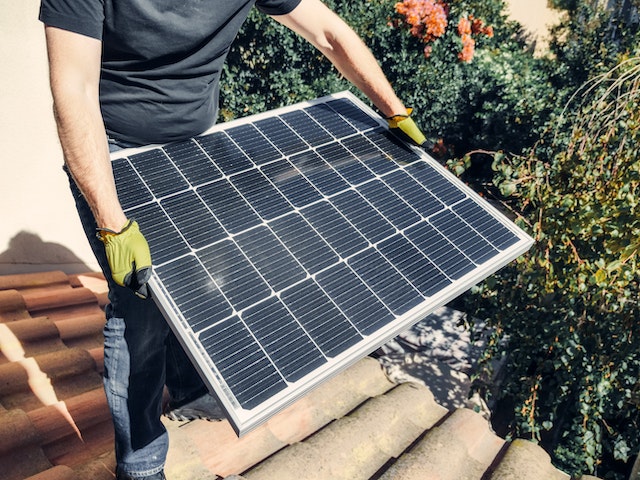
One way you can reduce your electricity bills is by installing solar panels on your roof. It’s an easy way to reduce your energy bills.

But many people are skeptical about whether solar panels save you money and how much money they save exactly. Read on to find out the answers to both of these questions.

Yes, Solar Panels Can Save You Money

Before you even start doubting the efficacy of solar panels, you should know that installing solar panels in your home, office, or farm can save you a lot on your electricity bill. This applies even if you live in a city or state where winter months are long and the sun doesn’t come out much on those wintry days.

Many factors will predict how much you save on your electricity bill, like what is the solar panel cost and how much sun your home gets every day.

That’s why it’s important to hire a solar panels installation company that knows what they are doing, so they can help you make the best of your situation whatever it might be.

They can give you suggestions on leasing or financing options that will work better for you, or they can install the solar panels so that they make the most money during the time the sun is out.

Remember that your solar panels will still create electricity during cloudy days, just not as much as they would on completely clear sunny days. So that’s not something to worry about.

If you live in a city that gets a lot of snow, you will have to remove snow from your solar panels or have some method for that, so they don’t block them from garnering the sun’s rays and creating electricity.

How Much Do Solar Panels Cost To Install?

This depends on where you are located in the country. Due to supply and demand, it’s cheaper to install solar panels in certain cities, as opposed to others. Also, in certain cities there are many more solar panel installation companies, so they are competing with each other to offer you better deals.

All in all, you can expect to pay, on average, around $11,000 for a solar panel installation. Certain states are more expensive than that, at around $15,000, like New York, Massachusetts, and Colorado.

That’s why you must shop around for the best solar panel deals out there. Also, don’t forget that the US government offers many tax credits and rebates if you install solar panels on your home.

The solar panel installation company will inform you of these rebates and apply them to your costs automatically but make sure to do your research as well, so you don’t get scammed.

How Much Do Solar Panels Save on Electricity Bills?

Experts predict that solar panels can save you, on average, $20,000 to $75,000 on your electricity bill over 25 years. As mentioned earlier, this depends on many factors.

You will have to do your due diligence to know if it’s worth it to switch over to solar for you. Think about the answer to some of the following questions first.

Are your electricity bills high? If the answer is yes, then it’s worth it for you to switch over to solar, as this will save you big.

Do you own your home? If you are renting, then there’s no point installing solar panels, since you can’t take them with you when you move. It would be better for you to wait until you buy your own home to install solar panels.

What are your roof characteristics? If you have a south-facing single roof plane that slopes at a 30-degree angle, then it’s ideal for installing solar panels.

If you lease or finance your solar panels, can you afford the extra monthly payments? For the first few months, until your solar panels become more sustainable, you might be paying out of pocket for the monthly financing payments. Keep that in mind when calculating if you should go for the solar panel option.

Are Solar Panels Worth It?

The truth is, for most people in normal circumstances, solar panels are a worthy investment and will save them money. The actual amount of money will differ from home to home, but every home will end up saving a certain amount for sure.

Therefore, the next step for you is to start researching solar panel installation companies in your area and find the one which is offering the best deal for installations. There will be a wide difference between the various companies, so spending even a bit of time shopping around will serve you well.

Also, once you have the solar panels installed, make sure to get them maintained regularly, and if you notice your electricity bill has gone up after a few months, then there might be a problem with the installation. Contact the company ASAP and get the panels checked out for any issues.

Ready to Garner Some Energy Savings?

Right now is the best time for homeowners to install solar panels since it looks like the price of everything under the sun is rising exponentially. Make it easier on your household budget by getting solar panels installed on your roof and using a renewable resource like solar energy to your benefit.

There’s no need to delay any longer. Also, if you wish to keep reading articles related to this topic or many other Real Estate & Home ones, then browse through our website.

5 Residential Window Installation Mistakes and How to Avoid Them

0
residential window installation mistakes

Did most improperly installed windows can lead to water damage or mold problems? Understanding common window installation mistakes to avoid will help you. If you would like to learn more, keep reading.

In this guide, you’ll learn about residential window installation mistakes homeowners face. Make sure to avoid these problems during the window installation process.

Check out our tips below.

1. Make Sure You Have a Sloping Window Sill

You don’t want to have a flat window sill. Make sure your contractor fixes your window sills accordingly.

Without a sloped sill, water will end up pooling around your house. The sill should slope and direct water back outdoors.

2. Poor Flashing Adherence

Installers should wipe away debris and dust from window sills when replacing windows. This will improve the stickiness of flashing tapes and membranes.

Specific membranes or tapes aren’t going to stick in cool weather. Find a product that will work if you’re replacing windows in cold weather.

Follow the guidelines regarding cold weather. Some helpful solutions include adding a primer before installing new flashing.

If at all possible, try to wait until warmer weather.

3. Forgetting to Secure Nail Fins

You’ll want to secure nailing fins after you replace the window. A bent or angled nail will shove a new window out of alignment.

When you fasten the fin, check to ensure the window will operate adequately. It should remain level and centered. Roll the membrane or flashing tape over the top of the fin and onto the edge of the frame.

4. Not Using Spray Foam Correctly

Installers shouldn’t fill up the cavity along the perimeter of the window. Expanding spray foam can distort a window frame or bend wood jams. Use a nonexpanding foam instead when creating an air seal.

Avoid smearing foam or sealant on unfinished regions of a window. It’s not easy to get rid of stains from unfinished wood. Use gloves when applying sealant and foam.

5. Not Working With Professionals

Professional window installers will cost you, but they are worth the investment. You want to work with experienced installers who know what they’re doing.

You can save money by working with a contractor with years of experience. Don’t worry about paying for costly repairs later due to installation mistakes.

A contractor will explain the different types of windows and what ones suit your home. Find a local contractor who offers replacement window services. You should discuss what you’re looking for and ask about pricing options.

Residential Window Installation Mistakes

Did you find this guide helpful on what residential window installation mistakes to avoid? Make sure you work with a licensed professional who will guide you through the process.

Finding an experienced window installer will save you time and money. These contractors will know what windows will suit your home.

Need more homeowner advice? Stick around on the blog for more information today.

The Ultimate Guide To Tub Drain Removal Tool

0
Tub Drain Removal Tool

A tub drain removal tool is a specialized tool used to remove the drain plug from a bathtub. The tool typically has a handle and a cross-shaped end that fits into the slots of the drain plug. By turning the tool, the user can loosen and remove the drain plug, allowing for access to the plumbing below the bathtub for cleaning or repair. There are several different types of tub drain removal tools, including models designed for specific types of drain plugs, such as those with lever-style stoppers or trip lever stoppers. Some drain removal tools also have adjustable ends that can be adjusted to fit different types of drain plugs.

The purpose of the article about the tub drain removal tool is to provide information and educate the reader about the importance of having this tool and its benefits. The article explains why having a tub drain removal tool is important for removing the drain from a bathtub without damaging the tub or the drain, and how it saves time and effort. The article also highlights the typical design of a tub drain removal tool, consisting of a metal rod with a handle and a tool on the other end that grips the strainer body.

Overall, the purpose of the article is to inform the reader about the benefits of having a tub drain removal tool and why it is an essential item for any homeowner who wants to maintain their bathtub or perform any repairs or renovations. The article provides helpful information that will assist the reader in making an informed decision about purchasing a tub drain removal tool.

Importance of having a tub drain removal tool

Having a tub drain removal tool is important because it helps you to remove the drain from your bathtub without damaging the tub or the drain. The tub drain is typically secured in place with a strainer body that is threaded into the drain pipe. Without the proper tool, you might not be able to remove the strainer body, or you might damage it in the process, making it difficult to reinstall.

A tub drain removal tool typically consists of a metal rod with a handle on one end and a tool on the other that is designed to grip the strainer body and allow you to turn it counterclockwise. This allows you to loosen and remove the strainer body so that you can access the drain pipe and perform any necessary repairs or maintenance.

Having a tub drain removal tool also saves time and effort. Without this tool, removing the drain from a tub can be a difficult and time-consuming process. The tool makes it quick and easy to remove the drain, so you can get the job done quickly and efficiently.

In conclusion, owning a tub drain removal tool is an essential item for any homeowner who wants to maintain their bathtub or perform any repairs or renovations. It makes the job easier, and faster, and helps prevent damage to the tub or drain.

Understanding Different Types of Tub Drain Plugs

There are several different types of tub drain plugs available, each designed to meet specific needs and preferences. Some of the most common types of tub drain plugs include:

  1. Pop-Up Drain Stopper: This type of drain stopper is the most common and is typically found in many homes. It operates by using a lever mechanism that is attached to the overflow plate to lift and lower the stopper.
  2. Toe-Touch Drain Stopper: This type of drain stopper operates by pressing a button on the overflow plate with your foot to raise and lower the stopper. It’s a convenient option for people who want to keep their hands free while using the tub.
  3. Trip Lever Drain Stopper: This type of drain stopper is similar to the pop-up drain stopper, but it uses a trip lever mechanism instead of a lever attached to the overflow plate. Trip lever drain stoppers are often more durable than pop-up drain stoppers and are a good option for those who want a more robust solution.
  4. Push/Pull Drain Stopper: This type of drain stopper operates by pushing or pulling a knob or lever on the overflow plate to raise or lower the stopper. It is a simple and effective solution for those who want a straightforward drain stopper option.
  5. Fixed Drain Stopper: This type of drain stopper does not move up and down and instead, is installed in the drain to block the water from draining out. Fixed drain stoppers are a good option for people who want a low-maintenance solution.
  6. Silicone Drain Stopper: This type of drain stopper is made from silicone and is designed to be placed in the drain to block the water from draining out. Silicone drain stoppers are a convenient option for people who want an easy-to-use solution that is also easy to clean and store.

In conclusion, there are several different types of tub drain plugs available, each designed to meet specific needs and preferences. Whether you want a convenient option like the toe-touch drain stopper or a more robust solution like the trip lever drain stopper, there is a tub drain plug that will meet your needs.

How to Choose the Right Tub Drain Removal Tool

Choosing the right tub drain removal tool is important to ensure that you can remove the drain from your bathtub without damaging it. Here are some factors to consider when choosing a tub drain removal tool:

  1. Compatibility: Make sure the tool you choose is compatible with your bathtub’s drain. The tool should fit over the strainer body and be able to grip it securely. Some tools are designed for specific types of drains, so check the product description or ask the manufacturer for compatibility information.
  2. Material: The material of the tool is important for both durability and comfort. Steel or stainless steel tools are typically more durable and long-lasting, but they can be heavier and less comfortable to use. Plastic or rubber-coated tools are often lighter and more comfortable to hold, but they may not be as durable.
  3. Handle: The handle of the tool should be comfortable to hold and provide a good grip. A handle that is too small or too large can be uncomfortable and make it difficult to use the tool effectively. Look for a tool with a handle that is ergonomically designed and feels comfortable in your hand.
  4. Tool Design: The tool design should allow you to grip the strainer body and turn it counterclockwise to loosen and remove it. Some tools have a cross-shaped design that provides a better grip, while others have a curved or angled design for easier access to the strainer body.
  5. Price: The cost of the tool can vary, but in general, higher-priced tools tend to be of higher quality and more durable. However, there are also some affordable options available that are well-made and effective. Consider your budget when choosing a tool and look for a balance between cost and quality.

In conclusion, choosing the right tub drain removal tool is important for removing the drain from your bathtub without damaging it. Consider factors such as compatibility, material, handle, tool design, and price when choosing a tool to ensure that you make the best decision for your needs.

Steps for Removing a Tub Drain with a Removal Tool

Here are the steps for removing a tub drain using a removal tool:

  1. Prepare the area: Place a towel or cloth around the drain to catch any debris or parts that may fall into the tub. Also, gather any tools or supplies you may need, such as pliers, a wrench, and silicone lubricant.
  2. Locate the strainer body: The strainer body is the metal piece that covers the drain and is typically located in the center of the drain.
  3. Apply silicone lubricant: Apply a small amount of silicone lubricant to the strainer body and around the drain to help loosen any corrosion or buildup that may have accumulated. Let it sit for a few minutes to work its way into the drain.
  4. Insert the removal tool: Insert the removal tool over the strainer body and grip it securely.
  5. Turn counterclockwise: Turn the tool counterclockwise to loosen the strainer body. Use a wrench or pliers if necessary to help loosen the strainer body, but be careful not to damage the drain or the tool.
  6. Remove the strainer body: Once the strainer body is loose, remove it from the drain by lifting it up and out.
  7. Inspect the drain: Inspect the drain for any debris or buildup and clean it out if necessary.
  8. Replace the strainer body: If necessary, replace the strainer body with a new one. Make sure it is properly installed and tightened.

In conclusion, removing a tub drain with a removal tool is a relatively simple process that can be done with a few basic tools. Be careful not to damage the drain or the tool and make sure to follow the steps carefully to ensure that the drain is removed safely and effectively.

How do you remove a bathtub drain with a tool?

Removing a bathtub drain with a tool requires a few basic steps:

Materials:

  • Plumbers wrench or adjustable pliers
  • Screwdriver
  • Plumbers putty
  • Replacement bathtub drain

Instructions:

  1. First, you need to locate the bathtub drain. It is usually located in the center of the bathtub and can be identified as a circular fitting with a cross-shaped opening in the center.
  2. Use a screwdriver to remove the screws or the screw-on cover from the drain.
  3. Once the screws or cover are removed, take your plumbers wrench or adjustable pliers and place them around the drain body, which is the part of the drain that remains after the cover or screws are removed.
  4. Turn the wrench or pliers counterclockwise to loosen the drain. Apply steady pressure as you turn the tool until the drain loosens and can be removed by hand.
  5. After the drain is removed, use a putty knife to remove any remaining plumbers putty from around the opening.
  6. Apply a new layer of plumbers putty around the opening, and then insert the new drain into the opening.
  7. Tighten the new drain by turning it clockwise with your wrench or pliers. Be careful not to overtighten, which can cause damage to the drain or bathtub.
  8. Finally, test the new drain by running water into the bathtub and checking for any leaks.

How do you remove a stubborn tub drain?

Removing a stubborn tub drain can be a challenging task, but it can be done with the right tools and techniques. Here are some steps you can follow to remove a stubborn tub drain:

  1. Begin by locating the drain and removing the stopper or cover. If the stopper is attached with screws, use a screwdriver to remove them.
  2. Use pliers to grip the crossbars inside the drain and turn them counterclockwise to loosen the drain. If the crossbars are stripped, you may need to use a drain key or extractor tool to remove the drain. These tools are available at most hardware stores.
  3. If the drain still won’t budge, you can try using a lubricant such as WD-40 to help loosen it. Spray the lubricant around the edges of the drain and let it sit for a few minutes before attempting to remove the drain again.
  4. Another option is to use a drain removal tool, which is a specialized tool designed to grip the drain and turn it. These tools can be rented from most hardware stores.
  5. If all else fails, you may need to call a professional plumber to remove the drain.

It’s important to note that removing a stubborn tub drain can be difficult and may require a significant amount of force. Be sure to wear gloves and eye protection to prevent injury, and proceed with caution to avoid damaging the surrounding plumbing.

Tips for Successful Tub Drain Removal

Here are some tips to help ensure a successful tub drain removal:

  1. Use the right tools: Make sure you have the right tools for the job, such as a removal tool, pliers, a wrench, and silicone lubricant. Using the wrong tools or not having the right tools can make the removal process more difficult and increase the risk of damage to the drain or the tub.
  2. Lubricate the drain: Applying silicone lubricant to the drain before starting the removal process can help loosen any corrosion or buildup that may have accumulated. Let the lubricant sit for a few minutes before attempting to remove the drain.
  3. Be patient: Removing a tub drain can be a slow process, so be patient and take your time. Turning the removal tool too quickly or using too much force can damage the drain or the tool.
  4. Use a back-and-forth motion: When turning the removal tool, use a back-and-forth motion rather than just turning it in one direction. This can help loosen the strainer body and make the removal process easier.
  5. Protect the surface of the tub: Place a towel or cloth around the drain to catch any debris or parts that may fall into the tub and protect the surface of the tub.
  6. Inspect the drain: Inspect the drain after removing the strainer body to make sure it is clear of any debris or buildup. Clean out the drain if necessary before reinstalling the strainer body.

In conclusion, following these tips can help ensure a successful tub drain removal. Remember to use the right tools, lubricate the drain, be patient, use a back-and-forth motion, protect the surface of the tub, and inspect the drain after removing the strainer body.

FAQ Section:

Here are some frequently asked questions about tub drain removal tools:

What is a tub drain removal tool?

A tub drain removal tool is a specialized tool that is used to remove the strainer body, or the metal piece that covers the drain, from a bathtub.

Why is a tub drain removal tool important?

A tub drain removal tool is important because it makes the removal process easier and less damaging to the drain or the tub. Without a removal tool, it can be difficult to remove the strainer body, especially if it has become corroded or stuck in place due to buildup.

How do you remove the drain in a bathtub?


The process of removing a bathtub drain depends on the type of drain you have in your bathtub. Here are the general steps for removing a bathtub drain:

Gather tools: You will need a drain removal tool, a screwdriver, a bucket, and a towel.
Turn off the water supply: Before you begin, turn off the water supply to the bathtub to prevent any water from flowing through the drain.
Remove the overflow plate: Use a screwdriver to remove the screws holding the overflow plate in place. Then, gently lift the plate off of the drain.
Locate the strainer body: Locate the strainer body, which is the metal piece that covers the drain.
Use the drain removal tool: Insert the drain removal tool into the strainer body and turn it counterclockwise to loosen it.
Remove the strainer body: Once the strainer body is loose, use your hands to gently lift it out of the drain.
Remove the stopper: Once the strainer body is removed, you will be able to access the stopper mechanism. Use your hands to gently twist and pull the stopper out of the drain.
Clean the drain: Use a bucket and a towel to remove any debris or buildup from the drain.

If you’re unsure of the type of drain you have in your bathtub or encounter any difficulties removing it, it’s best to contact a professional plumber for assistance.

What are some tips for removing a tub drain successfully?

Some tips for removing a tub drain successfully include using the right tools, lubricating the drain, being patient, using a back-and-forth motion, protecting the surface of the tub, and inspecting the drain after removing the strainer body.

What should I do if I encounter problems while removing my tub drain?

If you encounter problems while removing your tub drain, it’s best to contact a professional plumber for assistance. A plumber will have the right tools and experience to remove the drain safely and effectively, without damaging the drain or the tub.

What tool do you use to remove a bathtub drain?

The type of tool you would use to remove a bathtub drain depends on the type of drain you have in your bathtub. Some common tools used for removing a bathtub drain include:

Flat-blade screwdrivers – These can be used to remove a drain with a screw-on strainer.
Pliers – Pliers can be used to grip and twist the strainer body to remove it.
Adjustable wrenches – An adjustable wrench can be used to grip and turn the strainer body if it has a square or hexagonal shape.
Specialized drain removal tools – Some drains have unique designs that require a specialized tool to remove. For example, a “Toe Touch” drain has a lever mechanism that requires a specific tool to remove.

It’s important to determine the type of drain you have in your bathtub and the type of strainer body it has, as this will determine the type of tool you will need to remove it. If you’re unsure of what tool to use, consult with a professional plumber for assistance.

How do you snake a shower tub drain?

Snaking a shower or bathtub drain can help to clear out any blockages and restore proper draining. Here’s how to snake a shower or bathtub drain:

Gather tools: You will need a plumbing snake, a bucket, and a towel.
Remove the drain cover: Use a screwdriver to remove the screws that hold the drain cover in place. Then, lift the cover off the drain.
Feed the snake into the drain: Insert the end of the plumbing snake into the drain until you feel it hit the blockage. Then, slowly start turning the handle clockwise.
Push the snake through the blockage: Keep turning the handle of the plumbing snake, applying gentle pressure to push it through the blockage. Be careful not to damage the pipes as you work.
Retrieve the snake: Once you feel the snake start to clear the blockage, slowly pull the snake back out of the drain.
Check the drain: Use a bucket and a towel to remove any debris that may have been dislodged by the snake. Then, run water through the drain to ensure that it’s flowing properly.
Replace the drain cover: Place the drain cover back on the drain and tighten the screws to secure it in place.

If you’re unable to clear the blockage using a plumbing snake or if the blockage is severe, it’s best to contact a professional plumber for assistance.

Is a tub drain reverse threaded?

The threads on a tub drain can be either left-handed or right-handed, which determines the direction in which the drain must be turned to be loosened or tightened. In some cases, the drain may be reverse-threaded, meaning that it must be turned clockwise to loosen it and counterclockwise to tighten it. This is done to prevent the drain from accidentally coming loose.

It’s important to know the thread direction of your tub drain before attempting to remove it so that you can use the appropriate tool and turn it in the correct direction. If you’re unsure of the thread direction, you can try turning the drain in both directions to see which one loosens it. If you’re still unsure, it’s best to consult the manufacturer’s instructions or contact a professional plumber for assistance.

What can I use instead of tub drain removal tool?

If you don’t have a tub drain removal tool, there are a few alternative methods you can try:

1. Pliers or Channel Locks: You can use a pair of pliers or channel locks to grip the crosshairs of the drain and turn it counterclockwise to remove it.

2. Screwdriver: You can insert a flathead screwdriver into the crosshairs of the drain and turn it counterclockwise to remove it.

3. Coat Hanger:
Straighten a coat hanger and bend one end into a hook shape. Insert the hook into the crosshairs of the drain and turn it counterclockwise to remove it.

4. Rubber Band: Wrap a rubber band around the crosshairs of the drain and use pliers or channel locks to grip the rubber band and turn it counterclockwise to remove the drain.

It’s important to note that these methods may not work for every type of tub drain, and you may need to purchase a specialized tool if these methods do not work for you.

Is there a difference between a tub drain and a shower drain?

Yes, there is a difference between a tub drain and a shower drain.

A tub drain is designed to handle water draining from a bathtub, which is typically deeper and holds more water than a shower. Tub drains are usually located at the bottom of the tub and are larger in diameter than shower drains to accommodate the larger volume of water.

On the other hand, a shower drain is designed to handle water draining from a shower, which typically has a shallow pan and less water volume than a bathtub. Shower drains are usually located in the center of the shower pan and are smaller in diameter than tub drains.

In addition to their different sizes and locations, tub and shower drains may also have different types of stoppers or strainers to prevent hair and other debris from clogging the drain.

Are all tub drains a standard size?

No, not all tub drains are a standard size. There are a variety of sizes and types of tub drains available on the market, and the specific size and type of drain that is needed will depend on the particular bathtub and plumbing configuration. Some common sizes of tub drains include 1 1/2 inch, 1 5/8 inch, and 2 inch, but there may be other sizes as well. It is important to measure the diameter of the drain opening in the bathtub and consult with a plumber or hardware store professional to ensure that the correct size and type of drain is selected.

Conclusion:

Removing a tub drain is a task that can be done by most homeowners with a few basic tools and some patience. The key to successful removal is to use the right tools, lubricate the drain, be patient, use a back-and-forth motion, protect the surface of the tub, and inspect the drain after removing the strainer body.

Having a tub drain removal tool on hand is important because it makes the removal process easier, less damaging, and more efficient. By following the steps and tips outlined above, you can remove your tub drain successfully and get your bathtub back to working properly in no time.

However, if you are unsure of your ability to remove the drain, or if you encounter any problems during the removal process, it is best to contact a professional plumber for assistance. A plumber will have the right tools and experience to remove the drain safely and effectively, without damaging the drain or the tub.

Custom Pool Design Ideas

0
pool design ideas

Are you considering building a pool in your backyard but aren’t sure how to make it stand out?

Custom pools are a great addition to any home, whether you want to use them for relaxing or hosting parties. If you aren’t trying to copy what someone else has done, you can create the pool of your dreams instead.

Creating a pool that looks custom doesn’t have to cost a lot of money or take an extreme amount of time. Check out these custom pool design ideas to build something beautiful that’s all your own.

Infinity Edges

Infinity edges offer an attractive and dramatic flare to the pool by making the pool’s boundaries blend with the surrounding landscape. This creates a visual appeal as the pool edge appears infinite, seamlessly blurring the water boundaries while providing an uninterrupted landscape view. It can be made by forming a sheer face at the pool edge and then directing the water back over the edge, creating a cascading shape.

Infinity edges also increase the already high volume of backed-up water pressure, eliminating the risk of losing water backward. This unique and eye-catching feature can be enhanced further by adding a seating area, a fire feature, or a waterfall. Ultimately, these custom pool design ideas can redefine any backyard oasis and add a sense of luxury and cachet.

Sun Shelves

By utilizing the natural stone finishes and blending in the sun shelves, the impact of accentuating the pool area can be immense. Sun shelves gradually deepen the pool from a shallow depth to a deeper depth. It creates additional regions of the collection.

Not only can the hotter areas of the pool be utilized for comfortable seating and lounging, but these deeper areas also allow people to swim and cool off in the pool’s deeper end. Sun shelves are a perfect addition to any custom pool design, adding an extra layer of luxury and comfort to guests.

Swim-Up Bars

The bar gives an elegant, modern touch to any pool and can be custom designed to match the other features. The bar can be designed to fit any outdoor setup with various parts, such as seating and rain showers. Whether your style is beach-inspired, classic, or modern, the swim-up bar can help you create the perfect custom pool for you and your family.

Built-In LED Lights

LED lights allow pool owners to customize the look even further. Built-in LED lights come in various colors and intensities, so whatever color scheme the pool owner is looking for is available. The lights can be easily programmed to change colors gradually throughout the day, creating a unique, watery effect in the pool and tiles. For the best product, read about choosing pool tiles further.

Pool Design Ideas For Your Home

You can create the pool of your dreams by combining your vision and imagination and a custom pool design company’s expertise. Research ideas, look into companies, and develop a budget. Don’t limit yourself, and allow the possibilities to become a reality.

Great custom pool design ideas can help you make the most of your backyard. Think outside the box, research options, and ask the professionals. Take the plunge and start planning your dream pool today!

For more tips and ideas on all things home-related, be sure to visit this page frequently.

How to Identify Bed Bugs

0
identify bed bugs

Are you feeling the itch?

If you have been getting this itchy feeling every morning, then there is a need to check for bed bugs. These bugs are microscopic, but they do pack a bug itchy punch.

Need to check if you have a bug infestation but have no idea what a bed bug looks like? It can be embarrassing to have visitors when bed bugs appear out of nowhere!

There are ways to identify bed bugs, so buckle up, and let’s look at where to find these nasty little creatures.

Bed Bug Infestation

Small dark-colored spots (bed bug fecal matter), eggs, and molted exoskeletons are telltale signs of bed bugs is one of them. Another symptom of bed bug infestation is the presence of a musty odor which is hard to miss.

Bed bugs are also attracted to body heat and carbon dioxide, so they tend to hide in any place where they can access humans. Be on the lookout for dark-colored bugs (that can range in size from 1mm to 7mm) that have a segmented, oval-shaped body and a pair of antennas in communal areas where people usually stay and mingle.

Understand Their Habits and Behavior

Like all creatures, bugs are a creature of habit. Understanding bed bugs’ behavior is important in identifying and controlling these pests. Bed bugs feed every five to ten days and can survive up to two months without a meal.

Regularly checking for signs of these bugs is easily done by looking for small, white eggs, which may be found in furniture or along bed baseboards.

Check Under Mattresses and Beddings

Bed bugs can be hard to spot and identify, but there are a few places where they like to hang out. Mattresses and beddings are their favorite places to thrive. You can use a flashlight and magnifying glass to look for the telltale signs of bed bugs, like dark spots and molted skin.

Make sure to look in the seams, along the edges of the mattress, and behind the bed’s headboard.

Look Out for Shed and Dropped Skin

Bed bugs shed their exoskeleton five times throughout their life, so it is not uncommon to find clumps of skin in the bed or other areas of the house. When looking for these pieces of skin, it is important to examine and check for color, size, and shape. Be on the lookout for buckets of light beige color and oval shape with flattened bodies.

Use a Professional Inspection

It is important to identify bed bugs early to prevent a major infestation. One way is to obtain the services of a professional exterminator adept in identifying, killing, and cleaning bed bug infestations.

A professional can advise you on how to get rid of bed bugs and do proper maintenance to limit or totally eradicate the presence of these bugs. If you are looking for a reliable, professional inspection team, check out fastactionpestcontrol.com for fast and reliable service.

Learn How To Identify Bed Bugs

Overall, bed bugs are small, sneaky, and difficult to detect, but learning how to identify bed bugs is not impossible. If you suspect you may have bed bugs, immediately contact a professional pest control company to identify and eliminate bed bugs. Take this proactive step and keep your home free from infestation.

Did you find this article helpful? Check out the rest of our blogs!

How to Choose a Real Estate Agent: A Guide for Property Buyers

0
how to choose a real estate agent
Young couple with real estate agent visiting house for sale in residential area

About 4.5 million existing homes and 600,000 new builds were sold in America in 2023. Are you looking to grab one of these and make it your home? Whether you’re a first-time buyer or seasoned investor, choosing the right real estate professional can mean the difference between a stressful ordeal and a seamless transaction.

Regardless of market conditions, buying a house remains one of the smartest long-term financial decisions. However, the process involves complex paperwork, negotiations, and market nuances that even seasoned buyers can find overwhelming. This is why 89% of buyers work with an agent according to the National Association of Realtors®.

But with over 3 million active agents in the U.S., how do you identify the perfect match? This comprehensive guide walks you through how to choose a real estate agent who will become your advocate, negotiator, and local market expert.

Familiarize Yourself with the Kinds of Real Estate Agents

Many buyers mistakenly believe all licensed agents offer identical services. In reality, specialization matters significantly in real estate representation. Here’s what you need to know:

  • Buyer’s Agents: Exclusively represent homebuyers (your best choice)
  • Seller’s Agents: Work solely for property sellers
  • 10 Essential Questions to Ask When Interviewing Agents

    Interview at least 3 agents with these questions to identify the best fit:

    1. “How many buyers have you represented in my target neighborhood in the past year?”
    2. “Can you walk me through your step-by-step homebuying process?”
    3. “What negotiation strategies do you typically employ for buyers?”
    4. “How will you keep me informed about new listings?” (Daily alerts? Text updates?)
    5. “What’s your average days-on-market for buyer clients?”
    6. “Can you provide references from 3 recent buyers?”
    7. “How do you handle multiple offer situations?”
    8. “What professional certifications do you hold?” (Look for ABR® or CRS® designations)
    9. “What percentage of your business comes from repeat clients?” (Indicates satisfaction)
    10. “What separates you from other agents in this market?”

    Red Flags to Watch Out For

    Steer clear of agents who:

    • Pressure you to waive contingencies or make quick decisions
    • Can’t explain the local market data clearly
    • Communicate poorly (delayed responses, unclear answers)
    • Show unwillingness to sign a buyer’s agency agreement
    • Have numerous recent negative reviews mentioning similar issues

    Understanding the Closing Process

    A great agent guides you through these critical final steps:

    • Final Walkthrough: Verify property condition 24-48 hours before closing
    • Closing Disclosure Review: Compare with Loan Estimate for discrepancies
    • Title Insurance: Protects against ownership disputes
    • Escrow Coordination: Ensures funds and documents are properly exchanged

    Frequently Asked Questions

    How much does a buyer’s agent cost?

    Typically 2.5-3% of purchase price, paid by seller at closing in most cases. Always confirm compensation structure upfront.

    Should I work with an agent who also lists properties?

    Dual agents can create conflicts of interest. For undivided representation, choose an exclusive buyer’s agent.

    How long does the homebuying process take?

    National average is 4-5 months from search to closing. Competitive markets may move faster with proper preparation.

    How to Choose a Real Estate Agent Simplified

    Hiring the right professional transforms your homebuying experience from stressful to strategic. While you’ll pay a commission, top agents often save clients 3-9% on purchase price through expert negotiation—far outweighing their cost.

    Now that you know how to find a realtor who aligns with your needs, you’re ready to begin interviews. Remember to verify licenses through your state’s real estate commission website.

    For those considering Peterborough, explore houses to rent in Peterborough as you plan your next move. Progressive Lets offers personalized service to match you with ideal properties.

    Armed with this complete guide on how to choose a real estate agent, you’re prepared to select a professional who will protect your interests and help you make one of life’s most rewarding investments.

    Once you’ve purchased your home, explore our blog for essential homeownership tips and maintenance guides.

How Much Money Do You Need to Get Started Investing in Real Estate?

0
get started investing in real estate

Are you interested in learning about how to get started investing in real estate? Then, these investing tips are for you.

We live in a world where you can create passive incomes from tons of different investments. However, when it comes to gaining the most financial returns and having fewer risks, real estate is typically the best choice.

You’ll need some startup capital, though, and you may be wondering, “how much money do I need to invest in real estate?” The real estate market has seen crazy changes and can be risky if you don’t know how to navigate it.

Alternatively, you can do your homework and make sure you have a good amount of money invested. Then, you’ll be able to earn solid income over the long haul.

If you want to learn more about how to get started with real estate investment and how much money you need, then be sure to keep reading.

Identify Your Financial Capacity

When investing in real estate, the amount of money you decide to use largely depends on your financial capacity. Setting a budget and assessing your financial situation are essential. It helps you determine how much money you can invest.

Additionally, understanding the risk involved in investing is necessary as well. Matching it to your comfort levels can be the key to determining your financial capacity. An investor must be sure to consider the following costs before investing:

  • taxes
  • insurance
  • closing costs

These factors greatly influence the amount of money needed to get started. Understanding that every potential investor has a different financial capacity is important. Some people may be able to invest tens of thousands of dollars to get started.

Others may only be able to invest a few hundred. Ultimately, it is up to the individual investor to assess their financial capacity. They do this to make an informed decision on how much money is needed to start investing in real estate.

Explore Investment Start-up Costs

In order to get started investing in real estate, you will need to have enough money saved up to cover the startup costs. Depending on the type of investment, these costs may include the  following:

The amount of money required can range from a few thousand dollars to hundreds of thousands, so it’s important to do your research and know what kind of investment you plan to make.

Additionally, you should expect to have some capital reserves to cover any additional costs that may arise. The amount of money needed to get started with real estate investing will depend on both the type of investment and how much money you’re willing to allocate for it. You can determine how much money you need to get started by exploring investment startup costs.

Knowing Your Options

Knowing your options is the key to successful investing in real estate. Depending on the type of real estate investment you are looking to pursue, the amount of money you will need to get started can vary greatly.

If you are looking to purchase and hold residential real estate, you may need between 10-20% of the purchase price. This is for a down payment in addition to closing costs.

On the other hand, if you are looking to begin flipping houses, you will likely need around 5-10% of the purchase price. This is needed in addition to renovation costs & closing costs.

If you are considering investing in commercial real estate, you may need more cash & credit, such as 25-35% of the purchase price, to secure financing.

Regardless of the type of real estate investment that you take on, it’s essential to do your research, has an established budget, and have an understanding of your personal financial goals.

Try to Secure Funds Through Loans and Grants

Real estate investing can be a great way to generate income and grow long-term wealth. If you want to get started investing in real estate, you need money to purchase the property. You also need to manage and maintain it.

The amount of money you need to get started depends on your property type and financing options. To secure funds, you could try to get a loan from a bank or other financial institution. You can look for grants from the government or nonprofit organizations.

Your credit history and financial situation will influence the amount you can borrow. Additionally, grants can be harder to acquire. The reason is that there are often certain criteria and requirements you have to meet.

Nevertheless, securing funds through loans and grants is generally easier than other forms of financing, such as hard money loans. With the right financing, you can start investing in real estate and reap the rewards.

Understand Real Estate Crowdfunding First

You might ask, “What is real estate crowdfunding?” It is known as equity crowdfunding which provides real estate investors with the opportunity to purchase fractional shares of a real estate project in order to receive a return.

It’s a great way to get involved with real estate with just a small amount of capital. To get started, you don’t need a large amount of money. In fact, you can generally start investing with as little as $500 or $1,000.

Of course, the more you invest, the more potential you have for a return. It’s important to keep in mind that real estate crowdfunding is a higher risk than traditional investing, so you should do your research before investing.

There are plenty of crowdfunding platforms available to research, so be sure to do your due diligence before investing.

Look For Ways to Enhance Profitability

The amount of money you need to start investing in real estate depends on the type of real estate you are interested in. You can purchase a primary residence with a down payment of 10-20%. You can also do an investment property with 25-30% down.

You can also invest in real estate funds, notes, or securities with a small amount of money. In addition to the funds to get started with your investment, you should look for ways to enhance profitability.

Ways to Get Started Investing in Real Estate

Overall, to get started investing in real estate, you will need careful planning, determination, and the right resources. It is possible to get started with an investment plan with a minimal amount of money.

For further advice and how to begin your real estate journey, look for a qualified financial adviser today!

Did you find this article helpful? You can check out our website for more awesome content like this.