

Mosquitoes can find surprisingly small amounts of standing water around a home, making routine outdoor maintenance an important part of prevention. Containers, clogged gutters, plant saucers, toys, and other items that collect rainwater can create potential breeding sites. Regularly checking these areas and removing or covering stored water can help reduce opportunities for mosquitoes to reproduce.
A practical prevention routine starts with walking around the property after rainfall and looking for water that remains for several days. Empty containers, clean gutters, improve drainage, and keep outdoor areas organized to limit water accumulation. Homeowners who need additional guidance can also consult greenpestservices.net for residential pest prevention support. Combining simple maintenance with regular inspections can help make outdoor spaces less attractive to mosquitoes and support a more comfortable home environment.
Why Breeding Sites Matter
Standing water is the first place to investigate because mosquitoes need water to complete their early life cycle. Treating adult mosquitoes may offer temporary relief, but it does not remove eggs or larvae already developing nearby. The weekly practice of emptying and scrubbing water-holding items is a practical way to reduce breeding opportunities before more mosquitoes emerge.
Water doesn’t need to be deep, large, or easily visible to create activity. Containers that consistently collect rainwater can establish a reliable cycle of activity during warm periods. Reducing sources of standing water is also important, as it helps avoid the reliance on sprays as the only solution. This is crucial when the underlying issues are poor drainage or neglected outdoor items.
Where To Look Around The Property
Use a deliberate inspection list rather than scanning only the most visible areas. Check items that collect water, along with shaded spots where containers may be hidden:
- Flowerpot saucers, planters, and decorative containers
- Birdbaths, pet bowls, fountains, and unused play pools
- Children’s toys, outdoor furniture, wheelbarrows, and storage bins
- Old tires, buckets, cans, bottles, and recycling containers
- Clogged gutters, downspouts, catch basins, and blocked drains
- Pool covers, tarps, boat covers, and grill covers that sag
- Low spots in lawns, garden beds, and compacted soil
- Leaking hoses, outdoor faucets, irrigation lines, and drainage ditches
How To Run A Weekly Inspection
A consistent five-step routine is easier to maintain than an occasional major cleanup:
- Walk the full property line. Check front, back, side yards, patios, and storage areas.
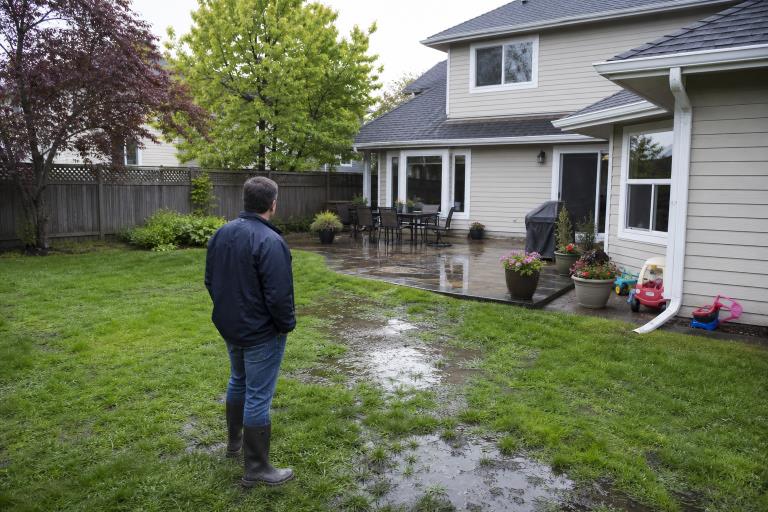
- Look again after rainfall. Rain reveals puddles and sagging covers that may not be apparent on dry days.
- Empty small containers. Turn them upside down, cover them securely, or store them indoors.
- Clear drainage points. Remove leaves, mulch, and debris from gutters, downspouts, and grates.
- Record repeat trouble spots. A note on your phone can reveal where water returns after each storm.
Choose the same day each week for the inspection. Adding it to a trash-day, lawn-care, or weekend routine makes it less likely to be skipped.
How To Manage Common Water Sources
Birdbaths And Pet Bowls
Refresh water frequently and scrub the container when you change it. Keep pet water available and clean, but avoid leaving the same outdoor water untouched for long periods. Position bowls and baths away from falling leaves when possible.
Plant Saucers And Decorative Containers
Empty plant saucers after watering or rain, and make sure pots have working drainage holes. Store unused pots under cover or upside down. Decorative containers should either drain completely or be maintained on a regular schedule.
Pool Covers And Outdoor Equipment
Keep pool covers tight so rainwater cannot gather in low areas. Turn wheelbarrows, toys, bins, and small boats upside down when they are not in use. Remove old tires or arrange disposal, since their shape makes them especially good at trapping water.
Yard And Drainage Maintenance
Keep Gutters Moving
Clogged gutters can hold shallow water for days. Clean them seasonally, inspect them after heavy storms, and confirm that downspouts direct water away from the foundation rather than creating puddles near the home.
Improve Low Spots
Small depressions in lawns and garden beds may need soil, grading, or a drainage adjustment. Extend downspouts where roof runoff repeatedly saturates a single area, and adjust irrigation schedules that leave soil consistently waterlogged.
Trim Dense Vegetation
Mosquitoes often rest in cool, shaded vegetation during the day. Pruning overgrown shrubs, removing excess weeds, and improving airflow around patios can make those spaces less inviting and easier to inspect.
Check Nearby Areas
A tidy yard cannot eliminate every mosquito source. Shared drains, neighboring properties, wooded edges, wetlands, and roadside ditches can all contribute to activity. Note where mosquitoes seem most concentrated so you can better identify whether the source is on your property.
Simple Ways To Reduce Bites
- Repair tears in window and door screens, and keep doors closed when possible.
- Wear loose, long-sleeved shirts, pants, and socks during periods of high mosquito activity.
- Use outdoor fans on patios, since moving air makes it harder for mosquitoes to fly.
- Reduce gaps around doors, screens, and utility openings.
- Choose a repellent with a duration of protection that fits your activity, and follow all label instructions for application and reapplication.
Plants marketed as mosquito repellents may be attractive additions to landscaping, but they should not replace standing-water removal, screening, or properly used repellent.
When To Seek Additional Help
A more thorough inspection may be worthwhile when large numbers of mosquitoes remain after routine cleanup, water collects in inaccessible areas, mosquitoes enter despite intact screens, or drainage problems recur. Properties next to wetlands, dense woods, or shared water infrastructure may also need a broader approach. Ask what areas will be inspected, what methods may be used, and what safety steps apply.
Conclusion
Mosquito prevention works best as a regular habit rather than a one-time cleanup. Emptying standing water, improving drainage, maintaining screens, and checking the yard after rain can eliminate many common breeding sites. Small actions taken each week can make outdoor spaces more comfortable and reduce the chance that a minor water issue becomes a persistent mosquito problem.