

Buying a home in Madison is exciting, but the inspection period is where buyers get a clearer view of the property beyond staging, paint colors, and listing photos. A thorough inspection can help you understand which items need immediate attention, which can be planned for later, and which questions require input from a specialist. For buyers comparing properties throughout Madison, Huntsville, Hampton Cove, and nearby North Alabama communities, Madison AL real estate experts The Dollarhide Team at Green Mountain Realty can provide useful local perspective. Green Mountain Realty offers home search, valuation, market information, and buying or selling support, helping clients evaluate homes and neighborhoods with context that goes beyond a single inspection report.
Why Home Inspections Matter In Madison, AL
A home inspection helps you make an informed decision before closing. It is not a guarantee that every issue will be found, nor does it replace an appraisal, survey, termite inspection, sewer scope, insurance review, or specialist evaluation. Instead, it provides a practical overview of visible and accessible conditions at the home. Use the inspection as one part of your overall closing preparation. The Consumer Financial Protection Bureau’s homebuying resources can also help buyers organize loan choices, closing paperwork, and questions to ask before settlement. In Madison-area homes, age, renovations, crawl spaces, drainage patterns, and weather exposure can all affect findings. For example, an older roof may not be an automatic reason to walk away. However, if it has limited remaining life, active leaks, or damaged flashing, it may support a request for repairs, a credit, or a price adjustment.
What To Do Before The Inspection
Review Your Purchase Agreement
Find the inspection period and the deadline for submitting a repair request, negotiating changes, or exercising any inspection-related contingency. Read what the agreement says about repairs, seller credits, and cancellation rights. Contract terms vary, so consult the professionals handling your transaction if anything is unclear.
Choose A Qualified Inspector
Compare inspectors based on experience, licensing or credentials, insurance, sample reports, and scope of work. Ask whether the inspection includes the roof, attic, crawl space, accessible major systems, and visible drainage conditions. If the home has special features or warning signs, ask about add-on services such as radon testing, mold evaluation, a sewer scope, pool inspection, or termite inspection.
Prepare Questions In Advance
- What are the three most urgent concerns?
- Which items are routine maintenance versus major defects?
- What should be evaluated by a licensed specialist?
- Could any finding affect safety, insurance, financing, or future resale?
What To Watch For During The Inspection
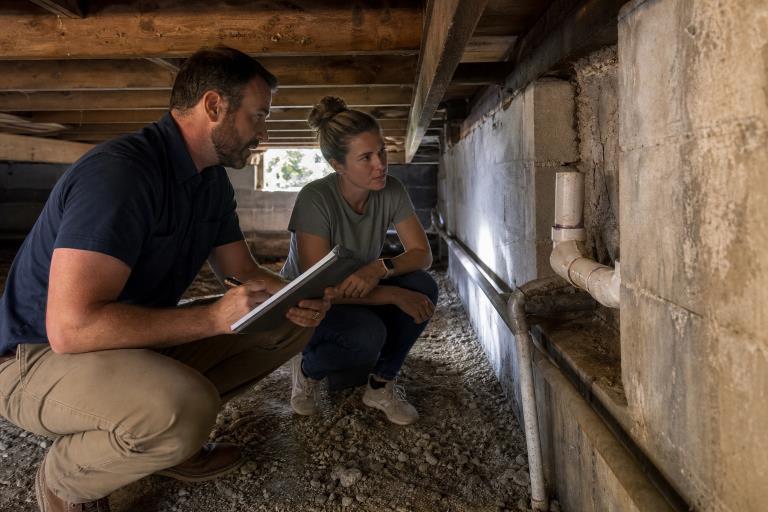
Attend the inspection if the inspector permits it. The written report matters, but walking through the home gives you a chance to see the location and severity of major findings. Take notes by room or system, request plain-language explanations, and ask the inspector to point out the difference between an active problem and a maintenance recommendation. Try not to interrupt every test or negotiate mentally before the full inspection is complete. Inspectors often find related details as they move through the home. Wait for the final summary, then focus your questions on material issues.
Major Systems Inspectors Review
Roof, Attic, And Exterior
Inspectors look for visible roof damage, aging shingles, flashing issues, gutter concerns, attic moisture, ventilation problems, and signs of leaks. They may also note grading that directs water toward the home rather than away from it.
Foundation, Crawl Space, And Drainage
Visible cracks, uneven settlement, standing water, damp insulation, wood damage, poor ventilation, and mold-like growth deserve attention. A crawl space can reveal valuable clues about moisture management and long-term upkeep.
Electrical, Plumbing, And HVAC
Expect a review of accessible panels, outlets, wiring, grounding, visible plumbing leaks, water pressure, drainage, supply lines, water-heater condition, and HVAC operation. Older components or unsafe conditions may require evaluation by a licensed electrician, plumber, or HVAC contractor.
Interior Areas And Safety Features
Windows, doors, stairs, railings, handrails, smoke alarms, visible water staining, and damaged finishes may also appear in the report. Some notes are minor, while others indicate water intrusion, safety risks, or a need for further investigation.
How To Read The Inspection Report
A lengthy report can feel overwhelming. Sort findings into practical categories instead of reacting to every note equally:
- Safety concerns: Conditions that could create an immediate hazard.
- Major defects: Problems involving structural integrity, water intrusion, or major system failure.
- Specialist recommendations: Items needing a roofer, engineer, electrician, plumber, or other expert.
- Maintenance items: Normal upkeep that may not justify a seller’s request.
- Cosmetic items: Small imperfections buyers should generally expect to address after closing.
How To Handle Repair Requests
Keep repair negotiations practical and specific. Prioritize active leaks, significant foundation concerns, unsafe electrical conditions, major roof problems, failed HVAC equipment, serious plumbing defects, and documented moisture damage. A long report is not automatically a demand list. For expensive work, obtain estimates before choosing between a repair, seller credit, price adjustment, or warranty option. Your loan type, lender rules, or allowable closing costs may limit the amount of credits. Put all agreements in writing, including deadlines and whether you will have a chance to verify completed work.
Local Factors Madison Buyers Should Consider
Inspection needs differ between older homes, new construction, renovated properties, and homes with crawl spaces. When possible, look at the lot after heavy rain to see how water moves around the structure. Review permits and documentation for additions, electrical upgrades, major renovations, and replacement systems. Also consider the property beyond the inspection report. Commute patterns, neighborhood location, lot layout, nearby development, drainage, and future maintenance needs can all affect long-term satisfaction with a home.
What To Do After The Inspection
- Read the full report, not just the summary.
- Ask for clarification on unfamiliar terms or findings.
- Get specialist estimates for large or uncertain repairs.
- Decide on your response before the contract deadline.
- Document agreed repairs or credits in writing.
- Complete a final walk-through before closing.
- Keep reports, invoices, warranties, and receipts for future reference.
Frequently Asked Questions
Requirements can depend on the loan, lender, insurance provider, purchase agreement, and buyer preference. Confirm the requirements that apply to your specific transaction.
Timing depends on the home’s size, age, condition, access, and the scope of the inspection. Larger or older homes and properties with additional services usually take longer.
Active water intrusion, significant foundation movement, unsafe electrical conditions, major roof failure, serious HVAC or plumbing defects, and evidence of unaddressed moisture or structural damage are among the findings that deserve prompt attention.
That depends on the purchase agreement, inspection deadlines, contingencies, and applicable law. Review your contract promptly and seek appropriate professional guidance before making a decision.
Conclusion
A home inspection gives Madison buyers a better understanding of the home they are preparing to purchase and the potential costs that may come with ownership. Choose a qualified inspector, attend the inspection when possible, separate significant structural or safety concerns from routine maintenance items, and respond before your contingency deadline. Review the findings carefully, ask questions about recommended repairs, and obtain estimates when major issues are identified. Remember that no home is completely free of defects, especially older properties. A calm, fact-based approach helps you evaluate the home’s condition, negotiate when appropriate, and protect your interests as you move toward closing with greater confidence and fewer surprises after you take ownership.