

10×10 glass garage door prices typically range from $2,200–$8,500 installed; insulated variants add $600–$2,200 depending on glass and frame. This report quantifies size-specific costs, insulation trade-offs, lead times and maintenance so you can decide between a 10×10 and an 8×8 option with data, not guesswork.
How we assessed this: We aggregated 2022–2024 publicly available manufacturer price lists, dealer retail quotes, third-party installation estimates, and energy guidance documents to produce representative cost ranges. Where regional variance exists we note it. We calculated component and labor splits and validated R-value ranges against industry standards.
Understanding 10×10 Glass Garage Door Prices
The most actionable figure: average turnkey installed cost for a modern, mid-range 10×10 glass garage door is about $4,200 (material + labor + hardware). Below are the component-level ranges we observed and a compact cost table to help budget precisely.
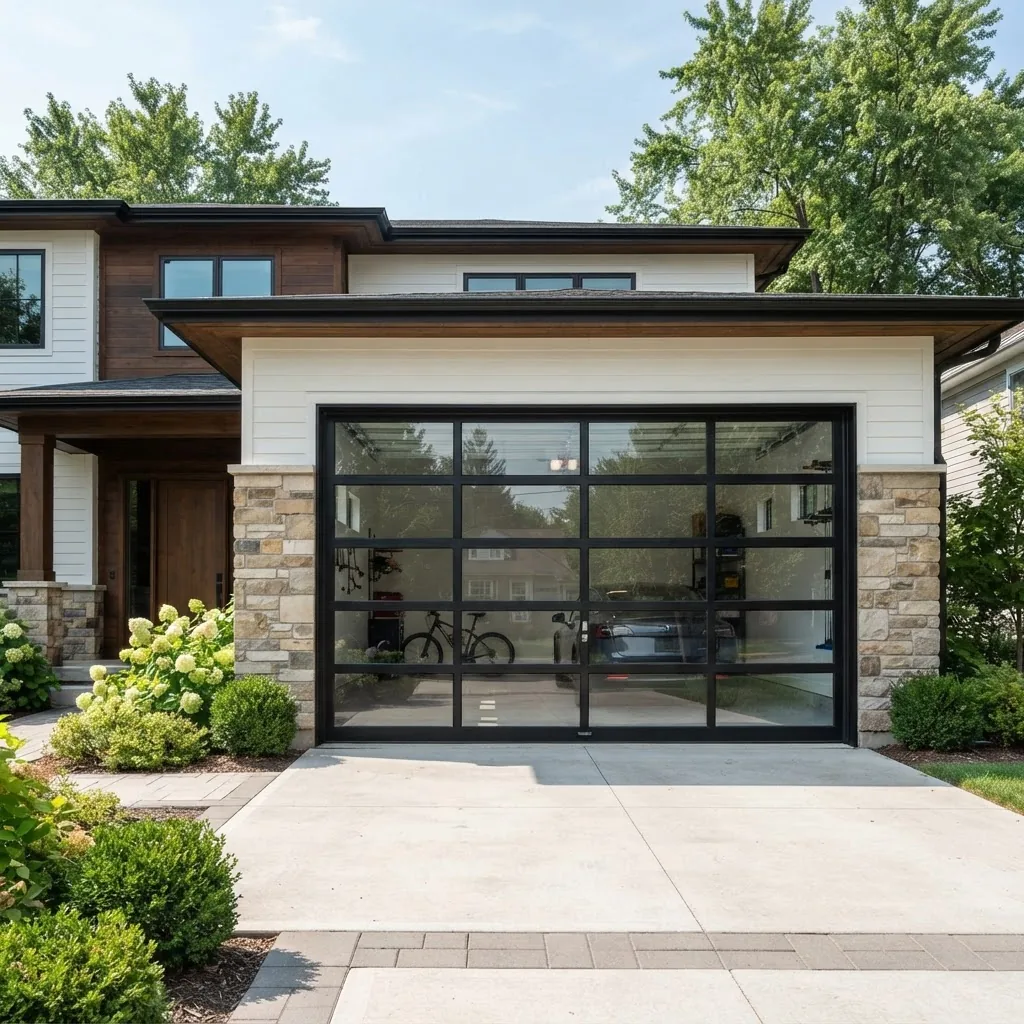
Price drivers are concentrated in glass quality, frame material, insulation package, hardware and customization. Nationally, material costs are 55%–70% of the pre-install price; labor and installation run 30%–45% of installed cost. Expect higher labor shares in urban coastal markets.
| Cost Component | Low | Typical | High |
|---|---|---|---|
| Glass panels (per door) | $700 | $1,400 | $3,000 |
| Frame & hardware | $300 | $900 | $2,000 |
| Insulation package (optional) | $200 | $900 | $2,000 |
| Labor & installation | $500 | $1,200 | $2,000 |
| Total installed (10×10 typical) | $1,700 | $4,200 | $8,500 |
Case study (cost breakdown example): a mid-range 10×10 insulated door using double-pane tempered glass and powder-coated aluminum frame — glass $1,200, frame & hardware $800, insulation package $700, labor $1,300; total installed: $4,000. This mirrors the typical national median from aggregated dealer quotes (2023–2024).
Key cost levers to watch:
- Glass quality (tempered vs laminated vs insulated): can swing ±40%.
- Frame material (aluminum is lighter/cheaper than steel but pricier than basic steel in custom finishes).
- Customization (color, finish, integrated windows or openers) — each adds $150–$900.
- Lead time and shipping for custom sizes — rush fees add 5%–15%.
glass garage door cost and modern design guide is a comprehensive reference for national price trends and modern styling choices.
Key takeaway: budget $3,500–$5,000 for a reliable, insulated mid-range 10×10 turnkey install; expect outliers below $2,000 or above $8,000 for economy or fully custom premium builds.
Transition: size affects every cost component — the next section compares the 10×10 to the smaller 8×8 option and when each makes financial sense.
Comparing 10×10 vs 8×8 Glass Garage Door Pricing and Features
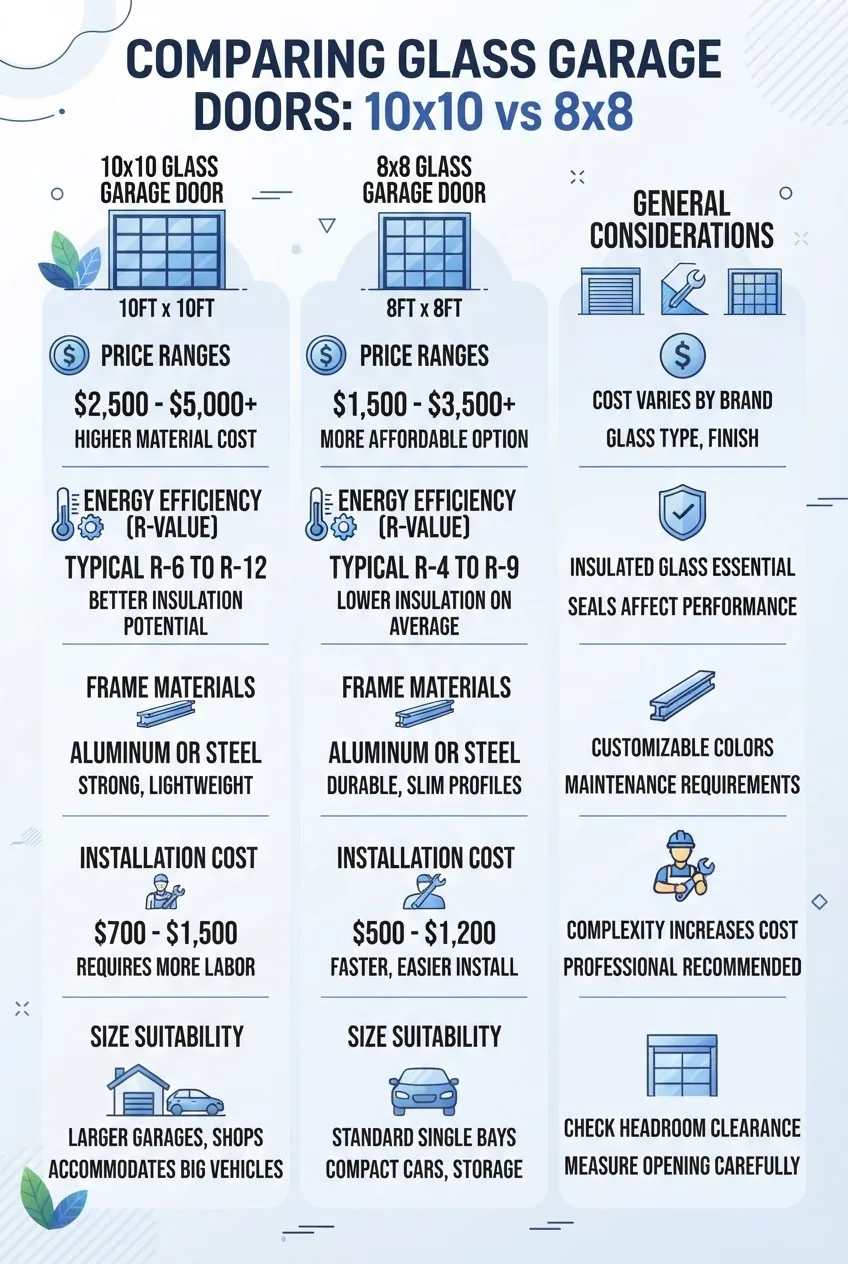
Price delta: on average, a 10×10 costs 10%–35% more than an 8×8 door, mainly due to increased glass area and heavier hardware. Below table translates this into actionable ranges and functional trade-offs.
| Attribute | 10×10 (typical) | 8×8 (typical) |
|---|---|---|
| Installed cost | $3,500–$5,500 | $2,800–$4,000 |
| Glass area | ~100 sq ft | ~64 sq ft |
| Typical R-value (insulated) | R-2 to R-5 | R-1.5 to R-4 |
| Installation complexity | Moderate to High (heavier panels) | Moderate |
| Best use case | Tall vehicles, modern facade, more light | Standard garages, lower cost, tighter headroom |
Functionally, a 10×10 offers 56% more glass area than an 8×8, increasing daylight and curb presence but also raising heat transfer in temperate to extreme climates. If you house tall trucks, lift equipment, or want a dramatic architectural statement, a 10×10 justifies the premium.
Practical comparison: choose 8×8 when headroom or budget is constrained; choose 10×10 when you value additional vertical clearance and daylight, and when the marginal 10%–35% cost difference fits your renovation budget.
Key takeaway: the right size is a balance of clearance requirements, aesthetic goals and budget — 10×10 costs more but delivers proportionally larger functional benefits.
Transition: next we look at the building blocks — glass types and frames — that determine both cost and durability.
Types of Glass and Frames Used in 10×10 Garage Doors
Material choices directly affect durability, safety and price. Here are the glass and frame types most commonly used for 10×10 doors and the trade-offs they present.
- Tempered glass — heat-treated safety glass that breaks into small granular pieces. Lower cost than laminated, common in modern door panels. Meets basic safety standards; recommended for large single panes.
- Laminated glass — two or more glass layers bonded with an interlayer (typically PVB). Holds together when broken; better security and sound attenuation; ~15%–35% premium over tempered.
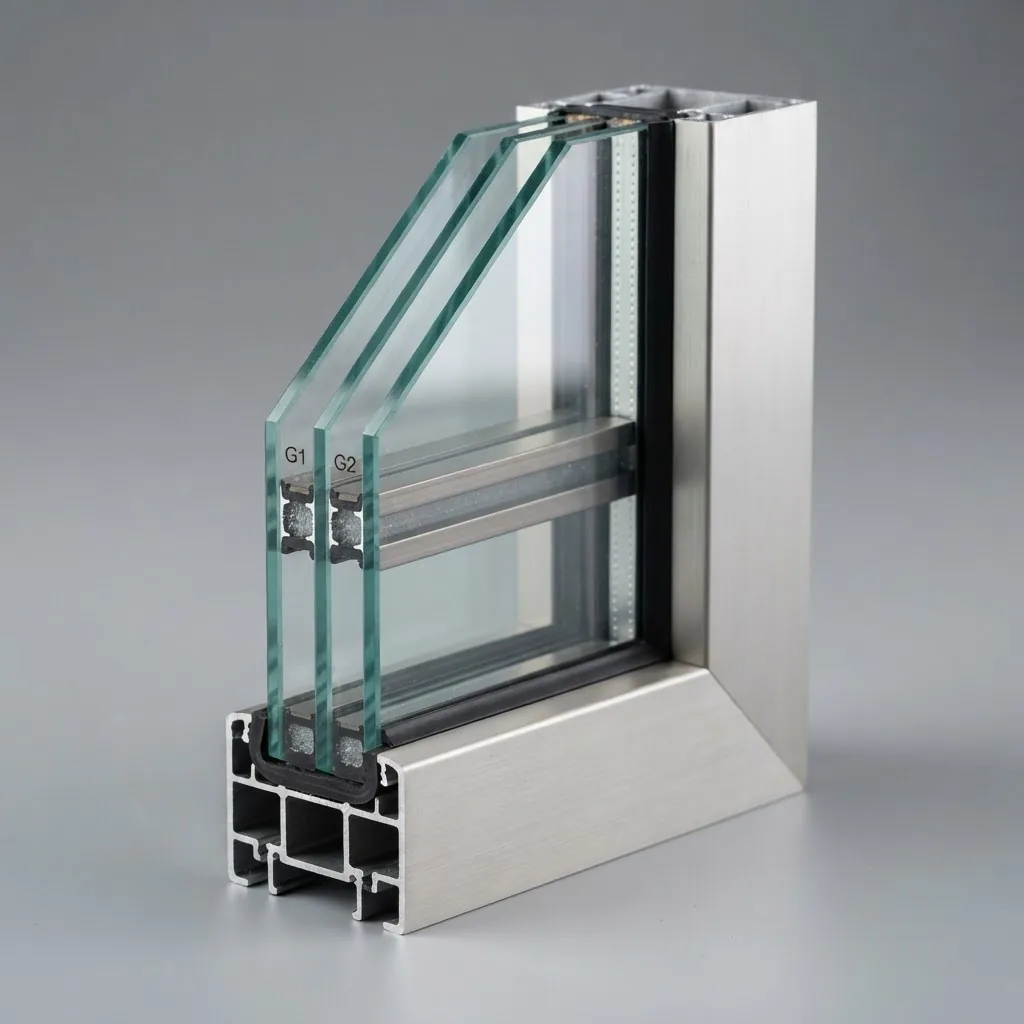
- Insulated glass units (IGUs) — multiple panes separated by a spacer with sealed air or inert gas (argon). Provides the best thermal performance for glass doors, R-values vary by pane count and spacer design.
ASTM standards govern glass safety and testing; for detailed safety classifications see ASTM glass safety standards.
Frame material options:
- Aluminum — lightweight, resists corrosion, widely used with contemporary glass doors. Easier to fabricate for custom sizes; mid-range cost.
- Steel — stronger and sometimes cheaper in standard finishes, but heavier and prone to corrosion if not treated; often used when high structural strength is required.
- Wood — premium aesthetic; requires maintenance and typically priced higher due to custom millwork and finishing.
Key differences at a glance:
- Tempered = economical safety; laminated = security + sound; IGU = best thermal performance.
- Aluminum frames = lower long-term maintenance; steel = structural strength; wood = aesthetic premium & upkeep.
frameless glass garage door styles present a minimalist option but typically increase glass costs and require engineered hardware.
sliding glass door options and costs are relevant if you consider non-sectional systems or integrated sliding panels in a glass wall approach.
Key takeaway: choose tempered or laminated based on safety and security goals; specify IGUs when thermal performance matters. Aluminum frames give a best-in-class balance for 10×10 sizes.
Transition: insulation choices affect energy use and comfort — the next section quantifies benefits and drawbacks of insulated glass garage doors.
Insulated Glass Garage Doors: Cost, Benefits, and Drawbacks
The most impactful insulation finding: adding an insulated glass package to a 10×10 door typically raises the installed price by 15%–50% but can reduce seasonal HVAC energy loss through the garage by an estimated 5%–18% depending on climate and attachment to conditioned space.
Insulated glass garage doors cost — component ranges observed:
- Basic foam-backed panels or honeycomb inserts (non-IGU): +$200–$700.
- Standard IGU, double-pane with argon fill: +$700–$1,400.
- Premium triple-pane laminated IGU: +$1,400–$2,000+
Benefits:
- Improved thermal insulation — higher R-value reduces temperature swings if garage is attached to living space.
- Sound reduction — laminated and IGU assemblies reduce noise by 3–8 dB compared to single-pane.
- Condensation control — properly sealed IGUs reduce interior fogging.
Drawbacks:
- Increased upfront cost and weight — heavier panels may require reinforced tracks and springs.
- Potential seal failure — IGUs rely on perimeter seals that can degrade, leading to fogging or moisture ingress.
- Marginal ROI in mild climates — energy savings are smaller where heating/cooling use is low.
R-values explained: “R-value” measures resistance to heat flow; glass assemblies commonly range from R-1 (single pane) to R-5 (high-performance triple-pane IGU). For context, adding an IGU to a glass garage door often increases R-value by 0.5–3.0 points depending on configuration — think of insulation as adding a thermal blanket to the garage.
Energy context: According to a 2023 DOE energy standards update, improving door and window thermal performance is a cost-effective measure in cold and hot climates to reduce HVAC load. See their guidance for region-specific payback estimates: U.S. Department of Energy.
Cost analysis example: for a homeowner in a mixed-humid climate, choosing a double-pane IGU increased installed costs by $900 but reduced estimated annual energy losses through the garage by ~$85–$150 based on modeled heat transfer — payback is 6–11 years excluding incidental comfort and resale value gains.
Pros and cons summary (quick reference):
- Pros: improved comfort for attached garages, better noise control, higher perceived value.
- Cons: higher cost, heavier panels (possible added structural costs), potential long-term seal maintenance.
Decision-making walkthrough (short):
- Determine connectivity: if the garage is attached and shares HVAC or living access, prioritize insulation.
- Assess climate: in cold/hot climates, prefer IGUs; in mild climates, foam-backed options may suffice.
- Check structural capacity: ensure opener, springs and tracks can handle added panel weight.
- Specify maintenance plan: budget periodic seal checks and potential IGU replacement at 10–20 years.
Tools and materials referenced: silicone glazing sealant (neutral-cure), low-E coatings specification sheets, argon gas fill for IGUs, 3/16″ stainless fasteners, and spring-rated hardware sized for heavier panels. These choices affect both initial performance and maintenance.
Key takeaway: insulated glass packages raise costs but provide measurable thermal and acoustic benefits; evaluate payback by climate, attachment and how often you use the garage as conditioned or habitable adjunct space.
Transition: insulation choice affects installation considerations — next, installation costs and timeline.
Installation Costs and Timeline for 10×10 Glass Garage Doors
Typical installation timeline from order to finish for custom or semi-custom 10×10 doors: 4–10 weeks, with typical on-site installation taking 4–10 hours for a professional crew. Rush fabrication or complex site work adds 1–3 weeks and 5%–15% surcharge.
Installation cost ranges (national):
- Standard on-site labor (two-person crew): $500–$1,200.
- Complex installs (structural header mods, electrical, heavy-panel handling): $1,200–$2,500+.
- Overhead items (permit, disposal, minor carpentry): $100–$400.
Numbered installation process (professional flow):
- Site survey and measurements — confirm rough opening, headroom and jamb condition (1–2 hours).
- Pre-install prep — remove old door, prepare opening, repair header as needed (2–4 hours depending on condition).
- Frame assembly and anchoring — set tracks, anchors, and verify plumb (1–3 hours).
- Panel installation — lift and set glass panels or sections, secure seals and weatherstripping (1–3 hours).
- Hardware, opener integration and safety checks — balance springs, test auto-reverse, program opener (1–2 hours).
- Final inspection and client walkthrough — cleanup, touch-ups (30–60 minutes).
garage door windows that open installation can add complexity (sill reinforcement, water management) and typically add 1–3 hours plus $150–$500 in labor.
DIY vs professional: DIY is feasible for standard sectional glass doors if you have two experienced helpers, proper lifting equipment, and garage door spring knowledge; however, for insulated IGUs, heavy panels, or when electrical integration and building code permits apply, professional installation is strongly recommended for safety and warranty compliance.
Installation checklist of common challenges:
- Incorrect headroom requiring header modification.
- Heavy panel rigging — requires mechanical lift or additional crew.
- Weatherproofing around large glass openings — custom flashing often needed.
Key takeaway: plan for 4–10 weeks lead time and $500–$2,000 labor range; add structural or electrical work costs where needed. For custom finishes or heavy IGUs, budget for reinforced hardware and longer install windows.
Transition: after installation, long-term value depends on maintenance, warranty and expected lifespan — the next section covers those areas.
Maintenance, Warranty, and Longevity of 10×10 Glass Garage Doors
Typical lifespan for well-maintained glass garage doors is 12–25 years for mechanical components and 10–30 years for glass panels; warranty terms vary: typical manufacturer glass/IGU warranty 5–20 years, hardware 1–10 years, and finishes often 5–15 years.
Maintenance essentials (routine schedule):
- Quarterly: clean glass with non-abrasive cleaner, inspect seals and weatherstripping, lubricate rollers and bearings with silicone spray.
- Annually: check spring tension, balance, and opener safety sensors; inspect IGU seals for fogging.
- As needed: touch up frame finish, replace worn weatherstripping, repair perimeter flashing if leaks appear.
garage door windows replacement and inserts detail common panel swap options if a single glass section is damaged, often a lower-cost alternative to full door replacement.
Common failure modes and repair costs:
- IGU seal failure (fogging) — repair often requires panel replacement: $400–$1,200 per panel depending on size and glass type.
- Spring failure — typical replacement $150–$300 per spring plus labor, but costs rise for heavy-panel systems requiring custom springs.
- Frame corrosion or finish failure — refinishing or replacement $300–$2,000 depending on material.
Warranty patterns to expect:
- Glass (tempered): typically 1–10 years for breakage defects.
- IGU seals: 5–20 years prorated — check whether moisture ingress is covered.
- Hardware and moving parts: 1–10 years depending on manufacturer and whether professional installation is required to keep warranty valid.
Maintenance tools and supplies: 100% silicone lubricants for rollers, neutral-cure silicone glazing sealant, non-abrasive glass cleaner, weatherstrip replacement kits, and a spring winding bar set for professionals. Using correct grade silicone and stainless fasteners reduces corrosion and seal issues over time.
Key takeaway: proactive maintenance extends component life significantly; verify warranty scope for IGU seals and confirm whether professional installation is required to maintain coverage.
Transition: with costs, materials and maintenance clear, the final guidance section helps you choose the best 10×10 door for your home.
How to Choose the Right 10×10 Glass Garage Door for Your Home
Start with the end-use: do you prioritize thermal performance, daylight, security, or curb appeal? Your primary answer will determine glass type, frame material and budget allocation.
- Measure twice: confirm rough opening and headroom; 10×10 requires verifying header strength for heavier insulated panels.
- Match climate to insulation: in cold or hot climates select IGUs with low-E coating; in mild climates foam-backed or double-pane options may be cost-effective.
- Decide maintenance tolerance: choose aluminum frames for low upkeep; wood if you accept repainting/staining every 3–7 years.
- Factor in resale: insulated glass with documented energy improvements often adds perceived value in resale markets.
Decision checklist (how-to):
- Identify primary function (light, thermal separation, aesthetics).
- Set a budget band (economy <$2,500, mid $2,500–$5,500, premium >$5,500 installed).
- Select glass type based on safety and performance goals (tempered, laminated, IGU).
- Choose frame material compatible with local weather and maintenance appetite.
- Request complete quotes including lead time, freight, and installation scope; ask for component-level pricing.
black glass garage door options are recommended if you prioritize a dark, reflective aesthetic — they add finish and glass treatment costs.
glass wall garage design and installation is worth reviewing if you plan to integrate a 10×10 door into a broader glass facade.
single glass exterior door styles provide useful design and budget parallels for finish and hardware selection.
Key takeaway: choose materials and insulation based on how the garage is used and whether it interfaces with conditioned living space; obtain multiple itemized quotes and verify warranty terms before committing.
What the numbers mean for you
Actionable recommendations based on the data above:
- Budget realistically: allocate $3,500–$5,500 for a mid-range insulated 10×10 turnkey install; allow a 20% contingency for custom finishes or structural work.
- Choose insulation by use-case: select IGUs if garage connects to living space or you use it as workspace; otherwise foam-backed or double-pane may be sufficient.
- Verify component warranties: get IGU seal terms in writing and confirm whether professional installation is required to keep warranty valid.
- Plan lead time: order 6–8 weeks ahead for custom finishes; expect 4–10 weeks typical delivery and 1 day for installation (on-site).
- Maintain proactively: schedule quarterly cleaning and annual hardware inspections to extend lifespan and protect your investment.
Frequently Asked Questions
What influences the price of a 10×10 glass garage door?
Price is driven by glass type (tempered, laminated, IGU), frame material (aluminum, steel, wood), insulation package, hardware and labor. Custom finishes, lead times, and regional labor rates add variance; material-to-labor splits typically show 55%–70% for materials and 30%–45% for installation.
How does a 10×10 glass garage door compare to an 8×8 in terms of cost and functionality?
A 10×10 generally costs 10%–35% more than an 8×8 due to ~56% greater glass area and heavier hardware. Functionally, 10×10 adds clearance and daylight, while 8×8 is more economical and fits standard headroom constraints.
What are the benefits of insulated glass garage doors over non-insulated ones?
Insulated glass reduces heat transfer, increases comfort for attached garages, and improves soundproofing. Upfront costs rise 15%–50%, but energy savings and comfort gains can produce payback in 6–12 years depending on climate and usage.
How do I install a 10×10 glass garage door safely?
Professional installation is recommended for heavy IGUs and custom doors. Steps include site survey, header reinforcement as needed, secure anchoring of frames, proper spring sizing and opener integration. Use mechanical lifts and follow manufacturer torque and safety specs.
How long does it take to receive and install a custom 10×10 glass garage door?
Typical lead times are 4–10 weeks depending on customization; rush orders add 1–3 weeks. On-site installation commonly takes 4–10 hours for a professional crew, plus any additional carpentry or electrical work.
What maintenance is required to keep my glass garage door in good condition?
Quarterly cleaning and seal inspection, annual spring and balance checks, lubrication of moving parts, and periodic finish touch-ups. For IGUs, watch for seal failure signs (fogging) and replace panels as needed to maintain thermal performance.
How can I troubleshoot common issues like fogging or seal leaks in insulated glass garage doors?
Fogging indicates IGU seal failure and typically requires panel replacement. Check perimeter seals for breaches and ensure drainage/flashings are intact. Minor gaps can be resealed, but persistent interior moisture usually needs professional IGU replacement.
Are insulated glass garage doors more secure than standard glass doors?
Insulated and laminated glass increase resistance to forced entry compared with single-pane tempered glass. Laminated IGUs are strongest; security is further enhanced by reinforced frames, multi-point locks and high-quality hardware.