

Maintaining a pest-free home is essential for comfort and health. Common household pests can cause significant property damage and introduce health risks to you and your family. Addressing these issues early and implementing consistent preventive measures can stop infestations before they begin. Homeowners who want to implement the best defenses should stay vigilant year-round. To learn more about personalized pest control strategies for your home, seek reliable local expertise.
Keeping your living spaces consistently protected means using effective strategies tailored to the season and your specific environment. When you employ the right habits, not only will you prevent unwelcome guests indoors, but you’ll also help maintain your home’s value and your family’s well-being.
Seal Entry Points
Pests gain access to homes through surprisingly small cracks, crevices, and gaps. Start by thoroughly inspecting your home’s foundation, exterior walls, doors, windows, and utility entry points. Any cracks or gaps should be promptly sealed with high-quality caulk or weatherstripping. Larger openings, such as those around plumbing or cables, may require a sturdier material, such as steel wool or hardware cloth, to deter gnawing rodents. Replacing or repairing window and vent screens is also crucial, as torn mesh can be a direct invitation for insects.
Another often-overlooked measure is to periodically examine the spaces behind major appliances, such as refrigerators and stoves, which can collect debris and become unnoticed pest highways. Inspect attic vents and chimneys, ensuring any vent covers are secure and intact. Installing door sweeps on exterior doors can also help block even the tiniest pests from slipping in under gaps that are easy to miss. Creating a habit of assessing all possible entry points every few months dramatically decreases your home’s vulnerability.
Maintain Cleanliness
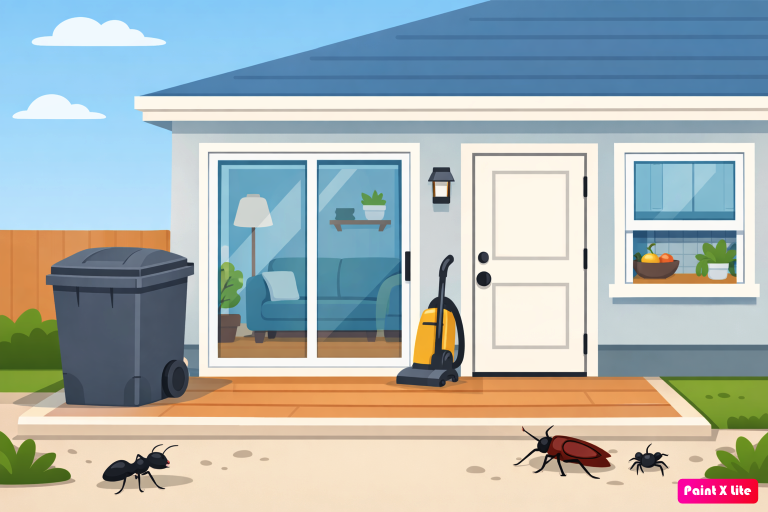
Maintaining cleanliness in your home significantly reduces the likelihood of attracting pests. Regularly vacuum your floors, promptly wipe down countertops and dining areas, and clean up food spills as soon as they happen. All food, including pet food, should be transferred to airtight containers, never left out in the open, and disposed of if no longer needed. Sealed trash bins go a long way in keeping pests like ants and cockroaches away. Focus on the kitchen and pantry, as crumbs and residue in these areas serve as a reliable food source. Declutter storage spaces regularly, as less clutter means fewer hiding places for pests.
Consider organizing seasonal deep cleans to reach overlooked areas, such as beneath furniture, in pantries, or in seldom-used closets. Don’t forget small appliances and food storage drawers, which can harbor hidden crumbs. For families with pets, pay close attention to food and water bowls, ensuring spills are wiped up and leftovers are not accessible to pests overnight. Clean drains regularly to remove organic buildup that can attract drain flies and cockroaches. A consistent routine helps create a hygienic home where pest activity is less likely to start or thrive.
Manage Moisture
Pests such as termites, silverfish, cockroaches, and mosquitoes are particularly attracted to damp places. Immediate attention to leaks, faulty faucets, and other plumbing issues is essential. Properly functioning gutters and downspouts should always channel water away from your home’s foundation, preventing moisture buildup that can encourage infestations. In lower levels or crawl spaces where moisture levels tend to be high, use a dehumidifier to keep humidity at bay. Eliminating sources of standing water is vital, as this can effectively reduce mosquito breeding sites, according to the Centers for Disease Control and Prevention (CDC) guide on mosquito control at home.
Moisture management extends to regular inspection outside your home as well. Address irrigation leaks and ensure that all garden hoses are tightly turned off when not in use. Landscaping design can contribute, too: keeping mulch at least a foot away from the foundation allows soil to dry more quickly and reduces hidden moist refuges for pests. Trimming back dense vegetation further discourages insects and rodents from nesting near your home’s entry points. Even something as simple as regularly flipping birdbaths or emptying unused containers can help reduce outdoor breeding zones.
Implement Seasonal Strategies
The change of seasons brings different pest challenges. In the warmer months of spring and summer, double down on efforts to seal up entry points and carefully monitor areas where moisture could collect. During autumn, clean gutters and remove leaf piles promptly, as accumulated organic material provides shelter and nesting material for rodents and insects. As temperatures drop in winter, pests will seek warmth indoors. Inspect your home’s exterior for new cracks or openings and seal them to prevent entry. Proactive, season-specific actions will put you ahead of evolving pest threats throughout the year.
Monitoring local pest trends can also help you anticipate upcoming risks. Regional weather changes, such as extended rainfall or unseasonably warm spells, can cause sudden spikes in mosquito, ant, or rodent activity. Joining neighborhood watch groups, subscribing to pest alerts, or simply keeping an eye on community reports can help you prepare and adjust your preventative methods. For example, if a neighbor is dealing with a rodent problem, increase your inspections and remove any outdoor food sources. Taking seasonal and situational cues seriously provides a broader safety net for your household.
Seek Professional Assistance
If infestations persist or you find signs of specific pest activity that home interventions are not curbing, reaching out to a pest management professional is the wisest choice. Licensed technicians can assess your situation, implement targeted treatments, and review your entire property for hidden vulnerability points that may require additional attention. Many professional pest control providers offer ongoing monitoring services for peace of mind. More information about pest management and professional resources can also be found at the U.S. Environmental Protection Agency.
Professionals can verify the identity of the invasive species and recommend a customized approach for eradication and future prevention. Integrated Pest Management (IPM) combines multiple control tactics and ongoing monitoring to reduce reliance on chemicals and deliver long-term results. Furthermore, reputable pest control experts will communicate with you about reducing factors that contributed to the initial issue, such as construction flaws, drainage problems, or exterior landscaping concerns, resulting in smarter future maintenance.
Taking these steps consistently throughout the year creates an environment that is inhospitable to pests, ensuring your home remains healthy, comfortable, and safe for everyone inside. Prevention is far easier than dealing with pest problems after they’ve taken hold. Make these practices part of your regular home maintenance routine for long-lasting peace of mind.
Remember, maintaining a pest-free environment is a shared responsibility among all household members. Encourage everyone to contribute, whether it’s children picking up food wrappers, adults checking window screens, or all household members reporting leaks and cracks. With commitment, collaboration, and attention to detail, you can enjoy a secure and pest-free home year-round.