Refinishing wood floors is a great way to update your home’s look and feel. However, many people mistakenly think that sanding is necessary.
In fact, sanding can actually make your wood floors more susceptible to moisture and damage. There are methods that be usedinstead of sanding your wood floors. In this blog, we’ll discuss whether refinishing wood floors requires sanding.
What is Sanding?
When restoring or refinishing wood floors, the process involves removing some of the old finish and stain from the wood to expose new wood underneath. This process is called sanding. You use sandpaper to sand the wood. This roughens the surface of the wood and exposes the underlying wood to the stain or finish you are applying. The thicker the finish layer on your wood floor, the more sanding is required to remove it. A general rule of thumb is that you will need between 3-4 coats of stain or finish to coat the wood adequately, and each coat will require some sanding in between coats to create a smooth surface. This means that most floors require at least 6-8 coats of stain or finish before they are ready.
There are many different types of sanders. You can get a drum sander, orbital sander, or a buffer for refinishing hardwood floors. However, DIY sanding is not recommended because it can take a lot of time and effort, and it isstraightforward to make expensive mistakes. Hiring a professional is the best way to ensure your floors are correctly refinished.
The Drawbacks to Sanding
Sanding can remove too much of the finish from the floor. Although you can remove the old finish with a sander, the floors are more likely to split and crack in the future. This is because you’re removing the protective barrier that the finish creates, leaving the wood unprotected from the elements. This leaves the wood vulnerable to moisture which can penetrate the floor and cause the finish to flake off. It can also weaken the foundation and make it more susceptible to damage by pets, children, and furniture. Mold also tends to grow in areas of excess moisture, so removing too much finish can lead to growth.
Sanding can also be very messy and time-consuming. You will need to move furniture and cover other items with plastic to protect them from getting covered in dust. Sandpaper can also get everywhere! Sand particles can quickly get into your drapes, furniture, and even your carpet, causing damage and requiring you to clean it up later.
How to properly refinish wood floors
Several methods can be used to restore wood floors without sanding. These methods include cleaning and buffing the floor to remove the old finish without damaging the wood below. Another option is to use chemical strippers to remove the old finish in less time with less mess and dust. Finally, if you have newer wood floors and want to give them a fresh coat of stain without having to remove the old one first, there is even a product specifically designed for this purpose!
Cleaning and Buffing Your Floors
Cleaning and buffing is a great alternative to sanding if you’ve already sanded the floor in the past, but you now want to remove the finish that’s left. To clean and buff your floors, you will need to purchase special cleaning supplies and a buffing machine. You will also need to learn how to operate and use the machine properly. It may take a bit of practice before you can remove all of the scratches and finish from your floors without damaging the wood underneath.
Conclusion
Sanding your hardwood floors is a great way to freshen up your home’s decor and give it a new look without the expense of completely replacing the floors. However, it does require quite a bit of work, and you may do more harm than good if you’re not careful. If you don’t have the time or the equipment to sand your floors yourself, you may want to consider hiring a professional floor refinishing company to do the job for you.
The experts at these companies have many years of experience and are very skilled at removing finishes from the floors without damaging the underlying wood. They also have all the equipment needed to get the job done quickly and with minimal disruption to your home.
A French drain is a type of drainage system that is often used in areas that have high water tables.
French drains work by collecting water from the surface and transporting it to an area where it will be collected, usually a dry well or sump pump. French drains are sometimes called “dry wells” or “sump systems”.
A french drain installation is typically installed when there is an area that has a lot of standing water, such as a pool or pond.
French Drain Basics
French drains are also known as surface drains or dry wells, and they’re an important tool for eliminating water from a property.
Drains are trenches that are dug around the perimeter of the home to divert water away from the foundation. They’re typically made from PVC piping in a trench, but they can also be made from concrete and stone.
French drain installation is installed by digging trenches around the perimeter of the home, then installing perforated pipes or corrugated metal pipes in them. Make sure all pipes incline away from the house and lead to a discharge point at least 100 feet away to prevent flooding during heavy rainfall.
What is the Purpose of a French Drain?
A French drain is a type of water drainage system that is used to remove excess water from the ground surface. It can be installed in areas where there is a high risk of floodings, such as near rivers and streams, or in places with clay-based soil.
The purpose of a French drain is to divert water away from the building’s foundation and prevent it from seeping into the basement. The French drain system has two main parts: an underground perforated pipe (or “tile”) and a trench filled with gravel, sand, or other coarse material. The perforations allow the water to flow freely through the pipe while keeping it contained in the trench.
Image Source: bobvila.com
How Does a French Drain Work?
A French drain system is a type of drain pipe that is used to remove water from the ground.
A French drain can be as simple as a pipe that extends below the surface of the ground and empties into an outfall. It can also be a more complex system that includes pipes, pumps, and other equipment.
An indoor French drain is a drainage system designed to collect and discharge liquid and wastewater within a building. The drain typically conveys the liquid or wastewater through perforated pipes to a location where it can be collected, usually outside of the building.
The purpose of a French drain system is to prevent groundwater from entering the building or property through cracks in the foundation or by seeping through porous earth.
What do you need for a french drain?
A french drain is a type of drainage system that has a trench dug in the ground. It is typically used for the removal of surface water from an area, such as a yard.
The trench needs to be at least 12 inches deep and should be at least 2 feet wide. The bottom of the trench should slope gently downhill and should be sloped away from the house.
There are many different types of french drains, made of different materials. There are also pre-fabricated systems that can be purchased online or in stores.
How to finish a basement with french drain?
The French drain is not a complicated project to complete and can be done in a day. It is most effective when the water table is high, so it should be installed before the ground becomes saturated.
A french drain consists of a perforated pipe that sits on top of a gravel bed. The pipe has holes drilled into it to allow the water to seep out from underneath the pipe and drain into an underground gravel trench.
This system will work if your basement is leaking because water will no longer be able to collect in your basement if you have this drainage system installed.
How to clean a french drain?
French drains are underground drainage system that is installed in the ground to collect and remove water from a building. They are widely used in areas of high water tables or where buildings are close together.
A french drain is made up of a perforated pipe that is buried underground, with the top end above the surface of the ground. The pipe has a gravel-filled trench on either side and is then covered with soil.
The following steps will guide you on how to clean your french drain:
1) Remove all plants, leaves, rocks, and any other debris from around your french drain 2) Use a hose to flush out any standing water in the trench 3) Use a shovel to scoop out all dirt clods, roots, and other obstructions from around your french soil’s surface.
How to clean a french drain in the basement?
The first thing you need to do is to find out if the drain is clogged. You can do it by pouring some water through it and seeing if it drains without any problem. If the water doesn’t go down, then it means that there is a blockage and you need to call a professional plumber.
If the drain isn’t blocked, then now you can start cleaning it. To do so, pour some baking soda down and follow with vinegar. Wait for about 15 minutes before rinsing with clean water.
8 Best Practices for Installing a French Drain on Your Property
Installing a french drain is a great way to ensure that you have a functional drainage system on your property. This system is designed to keep water from coming back up through the ground and into your home.
There are 8 best practices for french drain installation on your property and always try to avoid french drain mistakes. The eight best practices are
1) Decide where the french drain will be installed
2) Dig trenches for the pipes
3) Install the pipes
4) Install the gravel
5) Install the filter fabric or screen overtop of gravel
6) Lay down stones or bricks to create an even surface, which will be covered by soil or mulch in order to help prevent weeds from growing in between them.
7) Cover with soil or mulch, which should be at least six inches deep
8) Water the garden to establish a good drainage system
Conclusion:
The conclusion is that a french drain is an effective way to prevent water from seeping into the basement.
A french drain is a trench that is dug around the perimeter of the basement. The trench should be deep enough so that it can catch any water on the ground before it enters the house.
This is a great video you can check out for How it works French Drain?
Did you know that the average sales price of U.S. houses sold in the third quarter of 2022 reached $542,900? That’s $15,400 higher than the previous quarter and $69,900 more than the third quarter of 2021.
Skyrocketing home selling prices don’t automatically mean yours will, too. However, you can set a higher price by making the right improvements when preparing to sell your home.
This property sale guide lists the vital steps you must take before selling your home, so be sure to read on.
1. Mind Your Home’s Curb Appeal
Curb appeal refers to how attractive a property is to people viewing it from the street. It includes the areas of a house that one can see from afar, such as the gate, fence, yard, cladding, and exterior walls.
Since the curb is the first thing house shoppers see, it’s a chief factor in their first impression. For instance, it helps them decide on the spot whether they’d even want to see a home’s interior.
It’s no wonder the curb appeal of a house and the adjacent property accounts for about 7% of a home’s selling price. Thus, it pays to spruce it up as much as possible before selling your home.
2. Take a Walk
Go out on the street and, from there, look at your home to get an idea of what potential buyers see. You can also take wide-angle photos for reference later.
Starting from the outside, make a repair or improvement checklist as you make your way into your home. Inspect areas most visible from the street for signs of damage and note them down.
Here are some examples of what you may have to include in the outdoor section of your list:
Fix dents on the gate
Replace sagging fence panels
Wash exterior walls
Clean up yard clutter
Remove dead limbs
Trim bushes
Afterward, go inside, walk through your home, and take note of things you need to fix or replace. These may include cracked tiles, peeling paint, sagging floors, or a faulty HVAC system. If you live in an older house, you may also have to include aging plumbing pipes and an old electrical system.
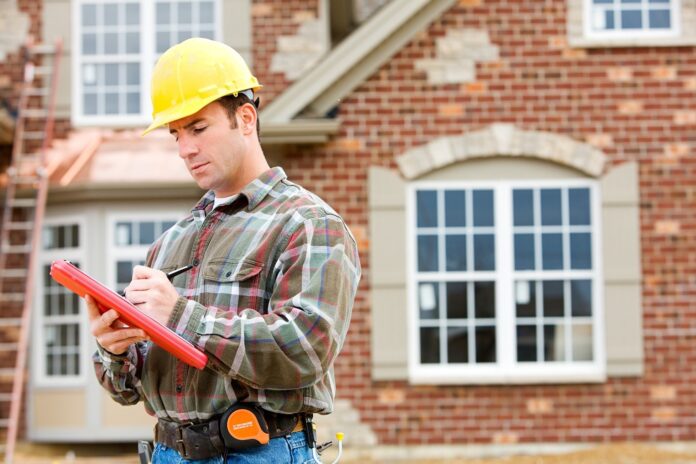
3. Consider a Professional House Inspection
If you need to sell your house ASAP but don’t have time for step 2, you can hire a certified master inspector instead.
Certified master inspectors are professionals providing comprehensive property-wide inspections. They check houses from top to bottom, including structural components and major systems. They even offer testing for radon gas, mold, lead-based paint, and moisture problems.
Check this out to learn more about professional real estate and house inspections.
4. Prioritize Repairs of Essential Components
Houses in excellent condition often sell faster than those in poorer states. That’s because many buyers want to focus on personalizing their new home instead of fixing it.
So before listing your home for sale, repair its structural and functional components. The former includes the foundation, frame, and roof. The latter includes windows, doors, plumbing, electrical, and HVAC.
Start Preparing to Sell Your Home
Preparing to sell your home is time-consuming but worth it, as it can help boost your property’s value. It also helps attract more potential buyers, thereby increasing competition. As a result, you can negotiate a higher selling price and speed up the sale.
So, consider following all our tips to raise your odds of a successful home sale.
For more guides like this, check out our other blog posts now!
There are many wonderful things about buying a home but there are also a few worry points on both sides of the sales table.
However, by including a pre-listing home inspection in your contract, any potentially big dangers can be spotted and rectified.
But why should you pay for it and how can they help you as a potential buyer or as a seller?
We’re here to help you out. Keep reading to find out why you might want a pre-listing home inspection and what you can find out that may help you in the future.
What is a Pre-listing Home Inspection?
This is conducted by a professional inspector before the home is put on the market. The purpose of this is to identify any major defects or problems with the home that could potentially deter a buyer from making an offer on the home. If any major defects are found, the seller can then make the necessary repairs or corrections prior to listing the home for sale.
The Benefits of Home Inspection
The benefits of a pre-listing home inspection are numerous. An inspector will check for things that might need to be repaired or replaced before the home is put on the market. This can help save time and money in the long run.
There are many benefits to having a pre-listing home inspection. Some of these benefits include:
Have A Better Understanding Of Your Home’s Condition
It can be proactive in preventing many issues and saving money. You can avoid costly repairs by regularly inspecting your home and addressing any problems as soon as they are found.
This includes the condition of your home’s foundation, framing, electrical system, plumbing, and roof. You should also look at your home’s windows, doors, and insulation. Many people do not realize that small issues can turn into big problems if they are not taken care of right away.
You Will Be Able To Price Your Home More Accurately
Overpricing will result in it sitting on the market for a longer period of time, and can lead to unnecessary stress and hassle. On the other hand, pricing your home too low may cause you to miss out on potential profits.
One method is to look at comparable homes in your area that have recently sold. This will give you a good idea of what similar homes are selling for, and can help you to price yours accordingly. Another option is to hire a professional appraiser to assess your home’s value.
Have Peace of Mind
From having peace of mind that your home is in good condition to helping you negotiate a better sales price, a pre-listing home inspection is well worth the investment. It can be assured that any potential problems with your home will be found and reported to you. This way, you can address these issues before potential buyers find them during their own home inspection.
Prepare for a Pre-listing Home Inspection
If you’re thinking of selling your home, a pre-listing home inspection can be extremely beneficial. It can help you identify any potential problems that could interfere with the sale of your home, and give you the opportunity to make repairs or improvements before putting your home on the market. You will also determine the fair market value of your home so you can price it correctly from the start.
Would you like to read more articles about real estate? visit and take a look at the rest of our blog.
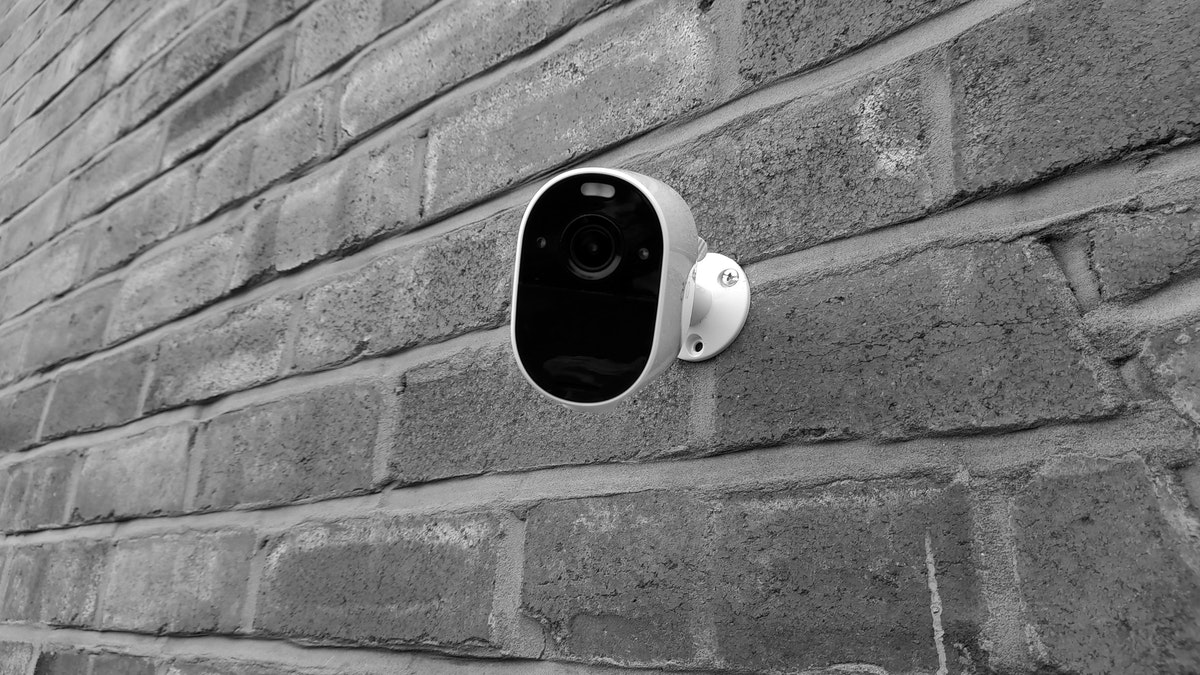
Home surveillance cameras are a necessity for most households. They provide a sense of security and peace of mind.
Home surveillance systems are a type of home surveillance camera that has the capability to record live video footage, store video footage, and save recorded video footage on a hard drive or in the cloud.
A home security system is an electronic device that can be used to monitor your home while you’re away. It can also alert you when someone enters your house or when someone starts tampering with your property.
With the increased popularity of home security cameras, it is important to know which are the best on the market for under $100.
Security cameras come in a variety of shapes and sizes. They can be placed around your home or office to monitor activity in different areas. You can also mount them outside your windows to see what’s happening outside without going through a window or door.
Here are 5 top-rated security cameras you can buy for under $100:
1) Nest Cam Outdoor
2) Yi 4K Camera
3) Amazon Cloud Cam (Amazon Echo Compatible)
4) Arlo Q WiFi Security Camera with 2-Way Audio and Night Vision (2 Cameras Included – White)
5) Nest Cam Indoor.
Best and Cheap Home Security Cameras of 2022
With the advancement of technology, cameras are getting cheaper and more accessible. There are many affordable options that can be used for home security. These cameras offer high-quality video and can be easily installed with a range of features.
In 2022, we will see the rise in the popularity of camera startups that provide high-quality products at an affordable price point. The best home security camera will be able to capture video in HD with a wide-angle lens and have other features such as night vision, motion detection, and voice control.
The most popular type of home security camera is a wireless camera that is connected to your phone via Bluetooth or Wi-Fi. These cameras allow you to see what’s going on outside your house while you’re inside without having to go out every time you need to check on the kids or your pets.
Image Source: Pexels
Top 5 Home Security Cameras Reviewed by Experts in 2022
In the future, there will be a wide range of home security cameras that are easy to use and produce high-quality footage.
The top 5 home security cameras reviewed in 2022 are:
1. The Ring Video Doorbell 2
2. The Canary Flex
3. The Nest Cam IQ Outdoor
4. The Netatmo Welcome
5. The Arlo Pro 2
How to Choose the Best Security Camera for Your Needs
With the increase in technology, we now have more choices than ever before. It can be overwhelming to choose the best security camera for your needs. There are a lot of factors that you should consider when choosing a security camera, such as:
1) The type of camera you need: if you have a large property and need to cover it, then a dome-shaped or bullet-shaped camera would be better for your needs. If you want to cover a smaller area, then a dome-shaped or panoramic-style camera would be better suited for your needs.
2) The size of the camera: if you don’t have much space in your home, then look for cameras that are compact in size. If you want to expand on how many cameras you can use simultaneously without any hassle, then you’re going to need an HDMI splitter that also supports 4K.
What is the Best Home Surveillance Cameras on the Market?
There are a lot of home surveillance cameras best buy on the market. But not all of them are worth buying. Some come with features that you don’t need and some lack features that you do.
There is no one-size-fits-all home surveillance camera. The best option depends on what your needs are and what you prioritize in a security camera. There are many factors to consider when choosing your best home surveillance camera, such as the quality of the camera, the size and weight, the price, and whether it is compatible with your existing setup or not.
The most important thing to consider when choosing your best outdoor cameras is whether they have night vision capabilities that will allow them to film in low light conditions without making any noise or disturbing others nearby.
Best Ways to Install Home Surveillance Cameras at Your House in 5 Simple Steps?
There are many ways to install home surveillance cameras at your house. Here are five of the best ways.
1. Install a hidden camera in your closet
2. Install a hidden camera in your garage
3. Install a hidden camera on the ceiling of your bathroom
4. Install a hidden camera on the window sill of your bedroom
5. Use an app on your phone with a timer and a camera6. Connect to a live feed from a Wi-Fi provider Unfortunately, the number of ways you can do this is limited only by your imagination!
A financial statement is a document that contains financial information about a company. It can be used to evaluate the company, show its performance, and make decisions about investing in the company.
The financial statement of the Real Estate Company in the Philippines is not very complex. But it does have some important numbers that you should know.
The financial statement of a real estate company can be divided into two parts – operating and non-operating. The operating statement is used to present the income and expenses that are related to the business operations while the non-operating statement presents the revenue and expenses that are not related to business operations.
This introduction discusses what a financial statement is, how it can be divided into two parts, and how it’s relevant for real estate companies.
The Balance Sheet shows how much assets and liabilities are on hand at any given time. The Income Statement shows what revenue and expenses are made each month or quarter, while the Cash Flow Statement shows how cash was generated or spent over a certain period of time.
Image Source: Pexels
What are the Differences between an Income Statement and a Balance Sheet?
A company’s income statement is a financial statement that provides information about the company’s revenues and expenses. A balance sheet is a financial statement that shows the assets, liabilities, and equity of a company.
The differences between an income statement and a balance sheet are:
-An income statement shows revenue before expenses; while a balance sheet shows revenue after expenses.
-An income statement has net profit or loss; while a balance sheet has total assets minus total liabilities.
-An income statement has retained earnings on the bottom line; while a balance sheet does not have retained earnings on the bottom line.
How Much Cash do Real Estate Companies Have?
Real estate companies can take out short-term loans to cover the costs of a new development. These loans are usually paid back within a year or so.
Many real estate companies also have long-term financing options that allow them to borrow money for years at a time, but these loans are not as popular as short-term options because they are less attractive to investors.
Real estate companies in the United States have experienced rapid growth in recent times and they can use these funds to make investments that will help their business grow.
How to Calculate Net Cash Flow of Real Estate Companies?
Net cash flow is the amount of cash that a company has at the end of a period. It is calculated by subtracting all expenses from all revenues.
Net cash flow is important for real estate companies because it can help them decide whether to invest in their business or not. It also helps them to determine how much debt they can take on and what kind of equity they need to raise.
Net debt vs. equity ratio is an important metric used by real estate companies to evaluate their financial health and financial risk.
How to Manage Your Real Estate Investments in a Fluid Market with a Financial Statement of your choice
It can be difficult to manage your investments in a fluid market. This is where a financial statement comes in handy. It helps to assess the market, and plan for your future investments.
A financial statement can help you understand how much you should invest and how much you are making from your investment. It also helps with budgeting, so that you can plan for the future of your investments.
Investment companies in the Philippines are doing well these days because of the many services and products they offer. Some of these include the best investment company in the Philippines, best real estate company in the Philippines, the best market for investment in the Philippines.
Air conditioners are designed to protect the people and property in a particular area. They are responsible for cooling the air in an area to make it bearable for humans. But when something goes wrong with an air conditioner, it can create hazardous situations that can cause injury or death.
When an air conditioner leaks, it creates a dangerous situation by releasing harmful substances into the air. These substances can be toxic gases like carbon monoxide or hydrogen sulfide, or they might be odorless and colorless like nitrogen dioxide or sulfur dioxide.
An air conditioning leak is considered dangerous because they emit harmful substances into the atmosphere without warning and without any way of knowing how much of these substances are being released into the environment at any given time.
How to Identify an Air Conditioning Leak
Leaks on an air conditioner can be caused by several things, including a clogged drain or a broken pipe. If you notice that your air conditioner is leaking water, it is best to call in a professional for help.
Image Source:
Fix-ideas-DIY youtube channel
There are many different types of leaks that can occur on an air conditioner. Here are some of the most common:
A clogged drain
Air conditioners typically have an air leak that leads to a clogged drain. A clogged drain can lead to lower efficiency and higher costs for the business.
Every time you turn on your air conditioner, it uses up a significant amount of energy and produces heat. This means that your AC unit is working harder than it should be, which can cause a clogging drain.
Therefore, to prevent long-term damage and restore efficiency, it’s best to contact professionals specializing in AC service Ashburn VA (or elsewhere). They could accurately diagnose whether the problem stems from a clogged condensate drain, airflow issues, or another hidden fault-and ensure your system runs smoothly and efficiently.
A broken pipe
This is a typical scenario that can occur in any house. If you live in a house with a broken pipe, you will know how important it is to fix it as soon as possible.
An air conditioning leak can cause serious damage to your home. It can also be dangerous for the people living there because of the humidity or the cold. This is why it is important to get this fixed as soon as possible.
The air conditioner leaks when the pipes are broken, which may not be noticeable at first. It will take time before you notice that something is wrong with your AC system and that’s when things become really bad for your home and the family members who live there.
A faulty circuit
A faulty circuit is a common problem that can cause a lot of damage to your home. It is important to know what you should do if you find yourself in this unfortunate situation.
If you find yourself in a home with an air conditioner leak, then it is important to call the experts immediately and make sure that the issue gets resolved as soon as possible.
If you are unable to locate the leak, then it is important to shut off the power source and call an expert.
A loose connection
A loose connection is an issue that can cause a leak in your air conditioning system. This article will provide you with the basics of what an air conditioner does and how to fix a loose connection.
Loosening connections:
– Loosen the connections by turning off your power and letting it cool down for about 10 minutes.
– If you have a wrench, use it to loosen the connections by turning them counterclockwise one at a time. If not, use pliers or tongs to turn them clockwise one at a time.
– Once you have loosened all of the connections, tighten them all back up in their original position using pliers or tongs. Then turn on your power again and let it cool down for about 10 minutes before putting it back into service.
5 Ways to Make Your Home Safer from Dangerous Air Conditioning Leaks
1. Invest in a good quality air conditioner
Air conditioning is a necessary amenity in the home, but it comes with some hidden costs. These include high energy bills and potential health risks.
You can purchase an air conditioner that will save you money and keep you safe by investing in a quality air conditioner.
Many people are unaware of the dangers of poor-quality air conditioning units, which can lead to dangerous leaks and energy waste. You should invest in a good-quality AC unit that will keep your family safe from leaks and save you money on your energy bills.
2. Install a condensation drain to prevent leaks
Keyword: Home Safer from Dangerous Air Conditioning Leaks
A condensation drain is a device that collects condensation from your air conditioner. This prevents the water from dripping on the ground and causing flooding or mould growth. It also prevents the formation of dangerous leaks, as water can be drained out of the unit when it’s not in use.
3. Use a humidifier, if desired
Humidifiers are used to increase humidity levels in the air. They are helpful in preventing the spread of dangerous air conditioning leaks that can cause a fire.
Humidifiers work by creating moisture that is released into the air, thus increasing humidity levels and providing relief. They come in different sizes and shapes, and there are also devices that automatically humidify the room when they detect a change in temperature.
4. Invest in an air purifier to filter the air
Whether you’re in a hotel room or a home, an air purifier can help remove the harmful particles in the air.
Air purifiers are a great investment. They can protect your health and keep your family safe from dangerous air conditioning leaks.
5. Install a carbon-filter system
We all know that air conditioners are not the most eco-friendly appliances. They release tons of harmful chemicals into our homes and can be a source of carbon monoxide poisoning.
The best way to reduce your carbon footprint is to install a carbon filter system in your home. It will help clean the air, protect it from harmful chemicals, and make sure that you have an energy efficient appliance.
A carbon filter system is a great way to keep your home safe from dangerous air conditioning leaks and save you money on utility bills at the same time.
Safety Tips for a Safe and Happy Summer Heat Wave
As summer approaches, it is important to prepare for the heat. Here are some safety tips to keep in mind as you enjoy the summer heat.
Safety Tips for a Safe and Happy Summer Heat Wave
– Stay hydrated by drinking lots of water and adding lemon juice to your water for added flavor.
– Keep an eye on your kids and make sure they are wearing sunscreen when outside.
– Avoid sun exposure between 10 am and 4 pm when UV rays are strongest.
– Wear sunglasses that block UV rays when going outside during the day.
– If you feel dizzy, dizziness can be caused by dehydration so drink plenty of fluids throughout the day.
FAQ Section:
Is water leaking from air conditioner dangerous?
Water leaking from the air conditioner is not a new phenomenon. It has been happening since the invention of air conditioning. However, it is not dangerous unless it gets into your eyes, nose, or mouth.
What are the symptoms of a water leak from an air conditioner?
If you have a water leak from an air conditioner, this is one of the most common problems that homeowners face. However, it can be tricky to find the leak without knowing what the symptoms are. Symptoms of a water leak from an air conditioner – The room may smell like mold or mildew – There may be condensation on the window – There may be dampness in corners of walls and ceilings – The room may feel humid or moist – You might hear a hissing noise
Is it safe to use an air conditioner if it is leaking water?
A lot of people have been wondering if it is safe to use an air conditioner if it is leaking water. The answer is yes, as long as the leak does not cause flooding.
Can I fix a leaking AC unit myself?
One way to fix a leaky AC unit is to clean the condenser coil. You can also try to use a sponge or cloth wrapped in aluminum foil and put it on top of the coils. If you have any questions about your AC unit, contact your local HVAC technician.
How long does it take for water leaking from an air conditioner to cause damage to the property?
The answer to this question is not as simple as it may seem. It depends on a number of factors, including the size of the unit and the type of material that it is leaking into. The water leaking from an air conditioner can cause damage to property if left unattended for a long period of time. This article will discuss some factors that can help you determine how long it takes for water leaking from an air conditioner to cause damage to property.
How can I prevent my property from being damaged by a leaking AC unit?
The best way to prevent your property from being damaged by a leaking AC unit is to turn off the AC when you leave the house. This will help prevent any water damage that can cause mold and mildew. Another way is to use a dehumidifier, which will remove moisture from the air and help prevent mold and mildew.
What should I do if my AC unit has already caused damage due to water leakage?
If your AC unit has already caused damage due to water leakage, you should call a professional to help you. They will be able to clean up the mess and fix the problem. If your AC unit has already caused damage due to water leakage, you should call a professional to help you. They will be able to clean up the mess and fix the problem. If your AC unit has already caused damage due to water leakage, you should call a professional to help you. They will be able to clean up the mess and fix the problem.
Conclusion:
There are many safety hazards that you can encounter in your home. Some of them are small, like a loose wire or a leaking pipe. Others, like the risk of carbon monoxide poisoning, can be life-threatening.
The introduction should provide some background information on the section topic and keywords. The introduction should also clearly state what the article is going to cover and why it is important for readers to read it.
We need to make sure that our homes are safe places to live because many dangers lurk around every corner waiting to strike. We need to make sure that we have all the necessary safety precautions in place so that we can avoid these hazards and live comfortably in our own homes without worrying about anything else but making dinner for our families.
Still, if you want to check a video for How to Fix Air conditioning Water Leaking then check the below link :
Flat paint is a type of paint that has a matte finish. It is known for its rich colors and durable properties. Flat paint can be used on any surface including wood, metal, plastic, and glass as well as walls, ceilings and floors.
As flat paint is less glossy than semi-gloss paint, it also requires fewer coats to achieve the desired effect.
How to Maintain Your Walls with Flat Paints
Flat paint is a great option for people who struggle with painting walls. It’s easy to use, can be applied in any room, and is also cost-effective.
You can use a damp cloth to wipe the wall clean of dust, dirt, or other particles. You can also use an old toothbrush to scrub the wall and remove these particles.
Some people might prefer to leave the flat paint on their walls for a while before they decide to take it off so they don’t have to clean it again later on.
The Benefits of Using Flat Paints on the Walls in Your Home
Flat paints on the walls in your home are more affordable, easier to apply and have a less toxic effect on the environment.
Benefits of using flat paints on the walls in your home:
– More affordable – Flat paint is cheaper than semi-gloss paint.
– Easier to apply – Flat paint can be applied by either spraying or rolling it. Semi-gloss paint is more difficult to apply because it needs to be rolled out and brushed over the surface.
– Less toxic effect on the environment – Flat paints are less toxic than semi-gloss paints because they don’t release as much volatile organic compounds (VOCs) into the air when they dry.
Benefits of using semi-gloss paints on the walls in your home:
Semi-gloss paints are a great way to make your home shine. They are great for people who want a light or subtle sheen.
Semi-gloss paints are also easy to clean, making it easier for you to maintain the look of your home.
Semi-gloss paints can be applied on a variety of surfaces, including walls, ceilings, and furniture.
What are the Different Types of Wall Paints?
Different types of wall paints come in many different colors and textures. Drywall, plaster, or wood are common materials for creating rooms.
Types of Wall Paint:
– Acrylic paint: This is a type of paint that is typically opaque and dries quickly. It can also be used as a primer for other paint colors, bringing a new level of depth to the chosen color.
– Oil paint: This type of paint is typically used on canvas or paper but can also be applied to drywall or plaster. It has an oil-based pigment that creates a smooth finish.
– Watercolor paint: This kind of paint is typically water-based and dries slowly when applied to drywall, plaster, or wood. The pigments are mixed with water so the color does not become too thick or heavy.
Image Source: Pexels
What is the best paint to use when cleaning walls?
The best paint to use when cleaning walls is a latex paint. It is easy to clean and maintain.
How long does it take to clean a wall with flat paint?
When you need to paint a wall, the first step is to wash off the old paint. Then, use a roller or brush to spread the paint evenly. Next, you can either use a sponge or cloth to wipe down the wall and remove any excess paint. Finally, use a dry towel or rag to wipe down the surface of the wall and remove any remaining dust or residue.
How can I clean walls without painting them?
To clean walls without painting them, you can use the following methods: – To remove stains, you can use a mixture of vinegar and water. – For more severe stain, you can use a mixture of salt and lemon juice. – You can also try to remove stains with a wet cloth.
What is the difference between flat paint and other wall paints?
There are many types of wall paint, including flat paint. Flat paint is a type of paint that has been developed for the purpose of painting walls. Flat paint is a type of wall paint that has been developed for the purpose of painting walls. It has been designed to be applied without using brushes, rollers, or trowels. This makes it easier to use and more practical than other types of paints.
How long does it take to dry flat paint?
Paint should never be left to dry on a wet surface, as it will not dry properly and will become brittle. It is best to wait for the paint to completely dry before removing it.
What is the best way to clean walls with flat paint?
The best way to clean walls with flat paint is by using a scraper. This is because the flat paint will adhere to the wall better than other types of paint, and it will remove any dirt that might be on the wall. Scrapers are available in many different shapes and sizes, so finding one that fits your needs should be easy.
What kinds of tools are needed to clean walls with flat paint?
Paint removers are needed when painting a wall with flat paint. They can be used to remove leftover paint, stains, and even the old paint that is still on the wall. There are different types of paint removers available in the market that come in different forms such as liquids, powders, and sprays. The best type of paint remover is one that is safe for both people and the environment. Some people prefer to use a natural oil-based cleaner while others prefer to use an environmentally friendly cleaner like vinegar or lemon juice.
Where can I find more information about painting walls with flat paint?
Painting walls with flat paint is a great way to save money and time. It also makes painting much easier and more convenient. The most common places to find information about painting walls with flat paint are the internet or the home improvement store. Flat paint is available in many colors, so you can find one that will match your wall well.
Conclusion:
Semi-gloss or flats paint is a great way to give your walls a fresh look without the hassle of painting. With semi-gloss paint, you get the best of both worlds – the texture and appearance of a gloss finish with the ease of application that flat paint offers.
Storm water drainage solutions are the methods or technologies used to manage storm water runoff. They are a crucial part of urban development and often help avoid flooding.
Storm water drainage solutions have three main objectives:
Preventing flooding:
Preventing flooding is the most important objective of storm water drainage systems. When they do not function properly, they can cause severe damage to people and property. El Paso County homeowners are always reaching out to stormwater management services in Colorado Springs so they can prevent any damages from occurring. These solutions help move storm water away from buildings, roads, and other critical infrastructure so that it does not cause any damage.
Reducing pollution:
Storm water runoff can carry pollutants like oil, pesticides, chemicals, and other hazardous substances into local waterways and oceans. These substances can contaminate these waters and affect marine life in ways that may be difficult to reverse.
Reducing energy consumption:
Storm water runoff can also carry dirt, sediment, sand, silt, and other natural materials into rivers and streams where it clogs.
Image Source: Emedia
The Importance of Storm Water Drainage Solutions
Storm water drainage solutions are important, especially in the United States. The US government has a website dedicated to storm water management that contains information on the various ways in which storm drains can be solved.
The website also provides links to other websites that provide additional information about the importance of storm water drainage solutions and how they can be used.
How to Install a Porous Concrete Storm water Drain in Your Home step by step
This article will show you how to install a porous concrete storm water drain in your home step by step.
The first thing you need to do is find the area where the concrete drain will be installed. You need to make sure that the area is not obstructed by any objects or pipes.
Once you have found the area, dig a hole in it and make sure that it is large enough for the concrete drain.
Next, mix up a batch of concrete using clean water and Portland cement. Fill up the hole with this mixture and then let it set for 24 hours before installing your porous concrete storm water drain.
Finally, pour in some more concrete overtop of your porous concrete storm water drain to seal it off from rainwater and make sure that it is secure against any infiltration of wild animals and plant life.
Best Practices for Installing and Managing Concrete Porous Drainage Systems
When installing concrete porous drains, it is important to follow the best practices in order to ensure a smooth and successful project.
The following are some of the best practices for installing concrete porous drains:
– Ensure that the drainage system is level with the surrounding ground surface.
– Install perforated pipe stringers or drain tile under all slab edges.
– Ensure that the drainage system is properly sloped to ensure proper flow of water.
– Ensure that there are no obstructions in the drainage system such as trees, buildings, etc.
– Install a pump if needed and make sure its outlet is not obstructed by anything.
– Install a backwater valve at each end of the drainage system to prevent water from flowing back into your house or building during heavy rains or snow.
Storm Water Management Solution vs. Sanitary Sewer System
Storm water management is an environmentally friendly process that can help reduce runoff and pollution. However, it also has its own set of problems. For example, storm water drains into the sanitary sewer system during heavy rainfall and can cause flooding in the city.
The first problem is that storm water management is not a sustainable solution to the problem of flooding in cities. Even with a storm water management solution, it would take decades before the problem of flooding would be solved. The second problem is that storm water management solutions are costly and require a lot of resources to maintain them properly.
A sanitary sewer system does not have these problems because it does not drain into other systems during heavy rainstorms as storm water does; it only drains into the river/ocean/sea when there is no rain or snow. The Sanitary Sewer System is separate from the storm water system. It does not flow into the storm sewer during heavy rain storms like storm water does.
FAQ Section
What are storm water drainage solutions?
Storm water drainage solutions can be anything from a natural flow of water to a man-made system. Storm water drains are systems that collect rainwater, snowmelt, and other runoff from roofs, roads, parking lots, and other impervious surfaces and direct it into streams or rivers.
What are the benefits of stormwater drainage solutions?
Storm water drainage solutions are used to collect and remove rainwater, snowmelt, and other surface runoff from roads, parking lots, and other hard surfaces. Benefits of storm water drainage solutions: – Reduces flooding and pollution in the environment. – Helps prevent soil erosion. – Reduces the need for expensive road construction. – Increases property value by reducing the risk of flooding damage.
What are the different types of stormwater drainage systems?
Storm water drainage systems are designed to remove rainwater, snowmelt, and other stormwater runoff from a site. They can be installed in different ways depending on the type of site they are being used on. Types of storm water drainage systems: – Open channels: These are the most common type of storm water drainage system. They have a wide open channel that allows rainwater and snowmelt to flow through them. This is typically made with pipes or culverts that have an opening at one end and a closed end at the other end. – Pipe drains: These are also known as underground drains or sanitary sewer drains. They allow rainwater and snowmelt to flow through it before it re-enters the ground or sewer system. This is typically made with pipes that have a closeable bottom shut-off valve, which can be opened to allow water to flow through the pipe.
Conclusion:
Sustainable storm water management solutions have been a topic of discussion for many years. It is not an easy task to achieve the goal of sustainable storm water management.
The first step in achieving sustainable solutions is to identify the root causes of the problem. This can be done through a thorough analysis of storm water runoff and its impacts on land and waterways. The next step is to develop and implement a plan that will address these root causes. Identify the possible solutions, prioritize them, and work on implementing them in order to achieve sustainable solutions for storm water management.
For better understanding you can check out this video below.
Instant Gas hot Water system problems can be found in the Instant Gas hot Water system, which is a new technology that uses natural gas to heat water. This system has been installed in many homes and businesses across the country.
The Instant Gas hot Water system is a new technology that uses natural gas to heat water. This technology has been installed in many homes and businesses across the country. However, there are some problems that have arisen with this new technology. One of these problems is that it can sometimes cause the water temperature to fluctuate or even shut off completely during use.
5 Solutions to Your Instant Gas Hot Water Problems
Gas hot water systems are convenient and efficient. However, they can have a few problems that need to be fixed. Here are six solutions for your gas hot water system.
1) If your gas hot water system has been leaking, make sure you have a licensed plumber fix the leak.
2) If your gas hot water system is not heating up quickly enough or if it is not working at all, check the pressure of the tank by taking off the lid and looking inside. There should be a gauge on top of the tank that you can read to see if there is an issue with pressure in the tank.
3) If your gas hot water system has stopped producing cold water or if it is producing too much cold water, check under your sink to see if there are any leaks in pipes or connections.
4) If your gas hot water system is not producing hot water, check the pressure of the tank again by taking off the lid and looking inside. There should be a gauge on top of the tank that you can read to see if there is an issue with pressure in the tank.
5) If you are still unable to determine what is wrong with your gas hot water system, there may be a leak in the line that is causing lower pressure. You will need to find the source of this leak and fix it.
Be Prepared for a Breakdown in Your Gas Hot Water System
In the event of a gas hot water system breakdown, it is important to know what you should do. This includes knowing how to shut off the gas and how to switch on your new system.
Gas hot water systems are typically made up of two parts: the boiler and the burner. When you want to turn off your gas, it’s important that you turn off both parts. You can do this by turning off the burner first then turning off the boiler at its main valve with a wrench or screwdriver.
If you have a new gas hot water system, follow these steps before switching on your new system:
1) Plugin all necessary appliances such as lights and stovetop burners
3) Turn on all burners on the stove and turn the oven on
4) Open all windows
5) Prepare a bucket with water to put onfire in the event of an emergency
6) Close up all other rooms
Dealing with an Emergency if You’re Without A Gas Hot Water System?
If you are left without a gas hot water system, it is important to know how to deal with an emergency. Here are some tips on what you should do in the event of an emergency.
Emergency without the heat:
If you have no other options, turn off all your appliances and try to conserve as much heat as possible. You can also turn on your oven or stove at a low temperature to help keep cool.
Emergency heating without the heat:
If you have no other options, turn off all your appliances and try to conserve as much heat as possible. You can also turn on your oven or stove at a low temperature to help keep cool.
If you don’t have any of these options, close all doors and windows in the house and make sure that they are closed.
FAQ Section:
Why are people having problems with the Instant Gas hot Water system problems?
The Instant Gas hot Water system has been on the market for a while now. However, there are still many people who are having problems with it. This is because some of them don’t know how to use the system properly and others have problems with the design of the system. Instant Gas is an innovative product that allows users to heat water up in about ten seconds. This product is designed to be used by anyone, anywhere and anytime without any hassle. But, this innovation has also attracted a lot of negative attention from those who have had issues with it before. The main issue that people have with this product is that they have trouble regulating temperatures and controlling water flow. They also find it difficult to clean up after using the product because they don’t know how to remove the filter or how to keep the device working properly once installed.
What are some of the common problems people are having with Instant Gas hot Water system problems?
This section will discuss some of the common problems people are having with Instant Gas hot Water systems. Common problems people are having with Instant Gas hot Water systems: -The water is not getting hot enough -The gas is not flowing properly -Gas leaks -The system is leaking and causing mold or mildew growth in the home
How to Avoid the Dangers of Instant Gas hot Water system problems?
Instant gas hot water systems are a great way to have a hot shower in the morning. They do not require any installation, and they are easy to use. However, there are some dangers that you need to be aware of before you make the switch. The problem with instant gas hot water systems is that the pressure can drop suddenly and cause serious damage. This is because of how these systems work. The system creates pressure in the tank by passing gas through it and then uses this pressure to push water up out of the tank. This means that if something goes wrong with your system, like a faulty part or too much humidity in your area, it can create an unsafe level of pressure inside your home When you think about purchasing an instant gas hot water system, make sure you check for any hidden fees such as installation and annual maintenance.
What are the Best Alternatives for Instant hot Water system problems?
People are always looking for ways to make their lives easier. One of the best alternatives for instant hot water problems is a gas hot water system. There are a lot of benefits that come with this type of system, such as not having to worry about the electricity bill and being able to use it anytime. An instant gas hot water system is one of the best alternatives for people who want an easy way out of their home heating needs.
Why Typical Instant Gas hot Water system are Unsafe?
The typical Instant Gas hot Water system is unsafe because it contains a lot of potential hazards that can lead to serious injuries. This is because the gas piping in these systems is not insulated and the gas is not vented properly. In addition, there are a lot of potential hazards associated with these systems that can cause serious injuries to people who use them. These include leaky or damaged pipes, lack of proper ventilation, and faulty installation.