

Creating a sustainable landscape in North Carolina not only beautifies your property but also supports the local ecosystem and conserves resources. By making intentional decisions about native plants, efficient irrigation, and eco-conscious materials, residents can enhance their outdoor spaces while contributing positively to the community and the environment. For homeowners beginning their journey, exploring professional landscape design options can provide valuable insight into sustainable techniques tailored to North Carolina’s unique climate. With the right approach, sustainable landscapes require less maintenance and flourish year-round, offering inviting outdoor retreats that are resilient as well as resource-efficient. Choosing every element with care, from plants to hardscaping materials, ensures that your yard is well-suited to thrive for years to come. It’s important to keep in mind that working with the natural conditions of your environment rather than against them leads to stunning and functional results. Adapting practices such as water-wise gardening and environmentally responsible material selection can transform standard yards into vibrant ecosystems. If you are considering making thoughtful changes to your property or beginning with a blank slate, consulting comprehensive landscape design services can offer frameworks and actionable plans to maximize both aesthetics and sustainability.
Embracing Native Plants
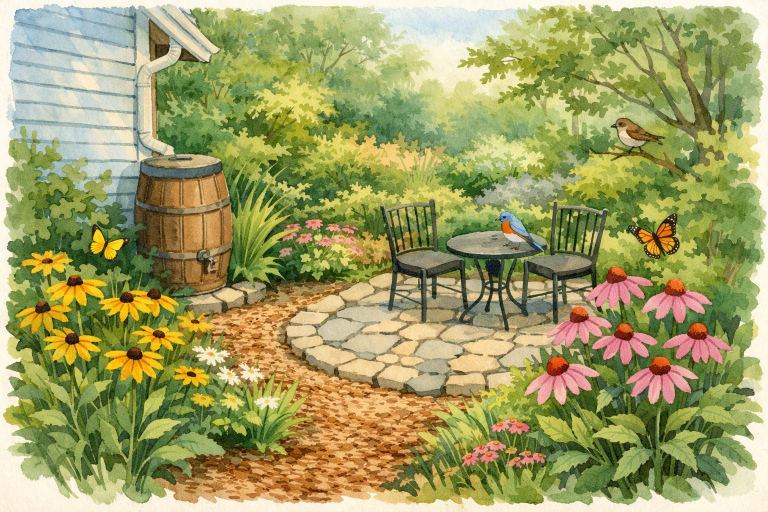
Incorporating North Carolina’s native plant species is foundational to any sustainable yard. Native plants such as Purple Coneflower, Black-Eyed Susan, and Butterfly Milkweed thrive in the state’s distinct soils and weather patterns. Their established relationships with local pollinators and wildlife provide food, shelter, and breeding grounds that non-native species cannot always match. Because these plants are well-adapted, they need less watering, fewer soil amendments, and minimal chemical intervention to flourish, making them a smart, low-maintenance choice.
Efficient Water Management
Strategic water use is critical in North Carolina’s sometimes unpredictable climate. Simple changes like switching to drip irrigation or installing rain barrels to harvest natural rainfall can significantly cut down on municipal water usage. Selecting plants with lower water requirements and grouping them according to their water needs protects this precious resource while keeping gardens lively. The EPA offers helpful guidance on conservation-focused landscaping strategies for homeowners wishing to use water more thoughtfully.
Eco-Friendly Hardscaping Materials
Patios, walkways, and retaining walls make up the hardscaping foundation of any well-designed yard. Using recycled or reclaimed materials like concrete, stone, and wood not only diverts waste from landfills but also adds rustic character and long-term durability to outdoor spaces. Permeable pavers are another excellent choice, permitting rainwater to seep through and replenish groundwater, thereby reducing stormwater runoff. Quality materials chosen with the environment in mind can provide both style and sustainability.
Designing Functional Outdoor Spaces
Beyond aesthetics, a sustainable landscape should be functional and serve the household’s daily needs. Edible landscaping with fruit trees, berry bushes, or vegetable beds blends beauty with utility. Composting stations and rain gardens further minimize waste and maximize resourcefulness. Grouping plantings by water and light needs or designing spaces for play, relaxation, or entertaining ensures the landscape offers enjoyment and serves its intended purpose throughout the year.
Low-Maintenance Landscaping Tips
Opting for tough, pest- and disease-resistant plants removes the need for frequent pesticide applications and pruning. Mulch acts as a natural weed suppressant, retains moisture, and gradually enriches the soil as it breaks down. Additionally, simple maintenance routines such as removing spent blossoms or dividing perennials in the fall keep the garden looking tidy without excess effort. The National Gardening Association provides helpful resources on creating sustainable landscapes suitable for beginners and experienced gardeners alike.
Firewise Landscaping Practices
Increasing wildfire risk in certain regions of North Carolina has made Firewise landscaping more important than ever. Steps such as maintaining a defensible space around homes, clearing dead vegetation, choosing fire-resistant plant species, and keeping lawns trimmed help reduce the odds of fire spread. Communities and homeowners who follow these guidelines can improve both property safety and neighborhood resilience.
Community Initiatives and Resources
Residential efforts can be supported and amplified by engaging with local organizations and government initiatives. Community gardens, public workshops, and educational programs organized by groups such as the North Carolina Cooperative Extension provide practical support for people interested in sustainable landscaping. These programs not only encourage knowledge sharing but also foster neighborhood stewardship.
Conclusion
Sustainable landscaping offers North Carolinians a practical and attractive solution for both property enhancement and environmental stewardship. From integrating native plants to conserving water and choosing recycled hardscaping materials, every homeowner can make choices that benefit the ecosystem. By tapping into local resources, following evidence-based best practices, and seeking expert support, anyone can transform their outdoor space into a model of environmental responsibility and natural beauty.